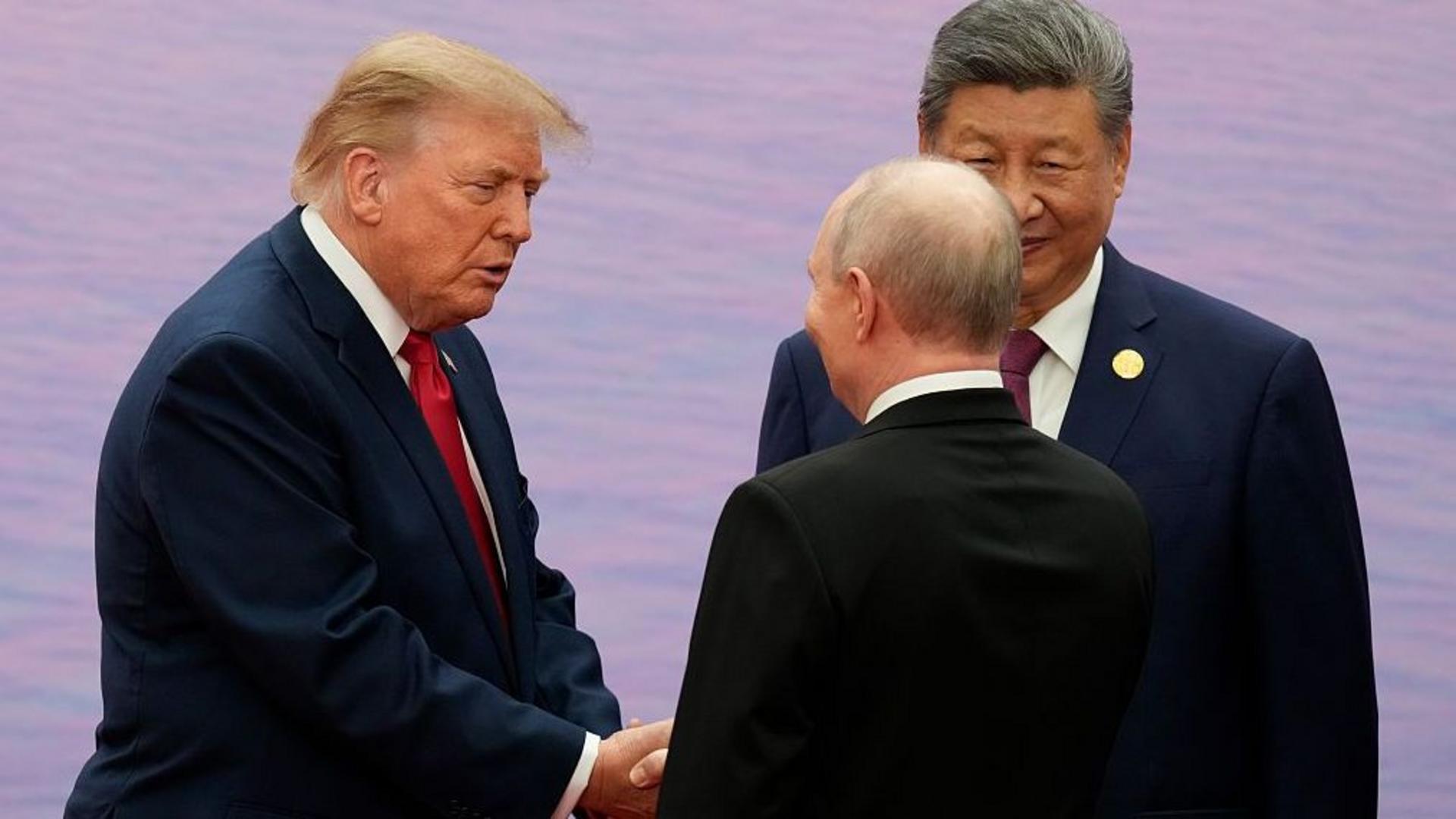
Xi Jinping has orchestrated a remarkable diplomatic spectacle, bringing Vladimir Putin and Donald Trump together in Shenzhen for a historic trilateral summit. The optics are undeniably impressive: driverless cars cruising past, drones flying overhead, and robots dancing in the streets. Yet while the world watches this demonstration of China's grip on global politics, Xi faces a far more serious crisis that no amount of international pageantry can solve. The country is grappling with a nationwide property crisis that has dented consumer confidence, heavily indebted local governments, slowed manufacturing, and rampant youth unemployment. One in five young people are struggling to find work. This is the reality that matters most for Xi's future.
The domestic economic picture is bleak enough that Xi needs this summit as propaganda for internal consumption. With next year's Communist Party Congress approaching, where he is expected to secure a historic fourth term as leader of the party and country, maintaining confidence in his leadership is essential. While Xi does not have to deal with elections and China has not seen major protests in decades, he must remain concerned about his popularity within the party elite as these economic problems grow. A photo-op with Putin and Trump may allow him to argue that China's "century of humiliation" is over and that his country is increasingly shaping the rules of a new era. But photographs cannot fix broken property markets or create pension security for workers.
The summit itself bristles with complications that undermine Xi's control of the narrative. China is not keen for the war in Ukraine—now well into its fourth year—to be on the agenda, as Xi must balance his relationship with Putin against potential damage to China's crucial connections in Europe. The EU remains a key market, especially as the Chinese economy heavily relies on exports. Meanwhile, Donald Trump has already made clear he wants to discuss limiting the world's supply of nuclear weapons. China unveiled intercontinental nuclear missiles at a military parade in 2025 and is rapidly expanding its own arsenal, raising alarm bells in Washington. Trump would like China included in any new arms control agreement, but Beijing has pushed back, arguing its arsenal is considerably smaller than Washington and Moscow's arsenals.
Even more troubling for Xi's carefully choreographed event is the unpredictability of his two counterparts. Chinese officials prefer agendas with talking points and carefully orchestrated speeches, but both Trump and Putin have their own agendas. The US President has already threatened to go off script. There is a real risk that both men dominate the meeting, leaving Xi looking more like a host than the architect of a major diplomatic moment.
For all the attention and carefully controlled visuals, this summit is unlikely to yield significant outcomes. What matters far more than any diplomatic achievement is whether Xi can convince the Chinese people—and his party rivals—that he has a credible plan to address the frustration and anxiety bubbling up across the country. That requires more than stagestraft in Shenzhen.