Prime Minister Ali al-Zaidi's decision to dismiss nine senior officials following an investigation into oil smuggling in Iraq's Jurf al-Nasr area represents a necessary show of force against corruption. The investigation committee, chaired by al-Zaidi himself, confirmed oil smuggling based on intelligence documents containing satellite images showing operations being carried out in an armed faction's stronghold. The nine dismissed officials—including security and intelligence officers in Babil province, an Interior Ministry commander, and the director of the Oil Pipelines Company at the Ministry of Oil—deserve accountability if evidence supports their involvement.
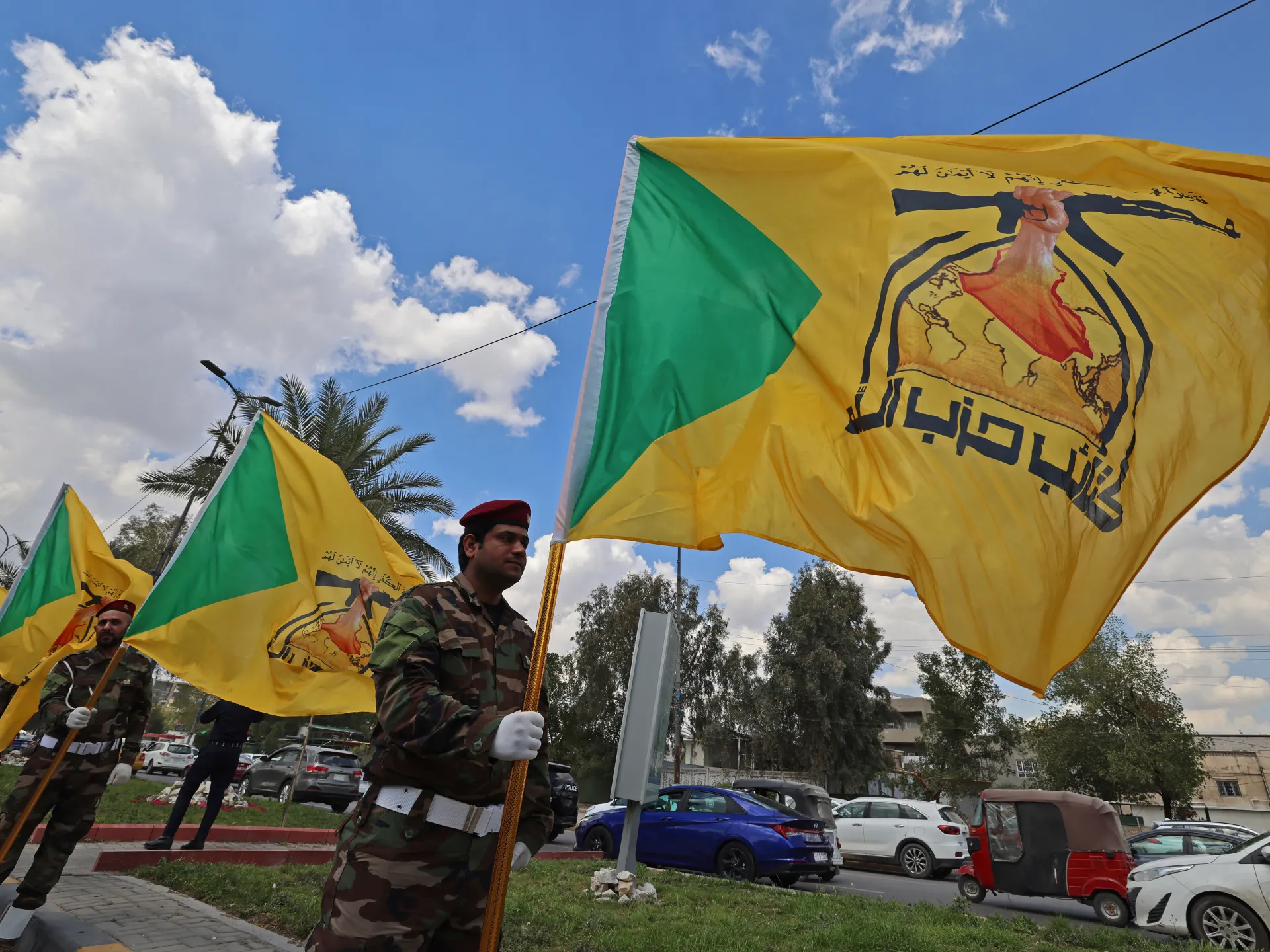
Yet the defiant response from Kataib Hezbollah, the Iran-aligned group operating in the area, exposes a fundamental problem: al-Zaidi cannot enforce anti-corruption measures against armed factions that refuse to acknowledge state authority. The group denied involvement entirely, claiming the investigation 'found no violations whatsoever of the oil pipelines' and that the allegations are 'false.' Kataib Hezbollah even stated that its members accompanied the committee's visit to Jurf al-Nasr on Friday, suggesting they had nothing to hide. This posture of defiance indicates that no investigation, however thorough, will persuade armed groups to accept consequences.
More troubling is Kataib Hezbollah's accusation that al-Zaidi is conducting 'the largest blackmail operation' to force the group's disarmament. The faction has pledged to retain its weapons arsenal and accused al-Zaidi of caving to pressure from the US, Saudi Arabia, and the United Arab Emirates. This framing transforms a legitimate anticorruption effort into a geopolitical proxy battle, allowing Kataib Hezbollah to rally support among those who view any Iraqi government action as capitulation to Western interests.
Al-Zaidi has previously promised to ensure that non-state armed groups would hand over their weapons to the state. That promise rings hollow as long as heavily armed factions can simply deny wrongdoing and face no meaningful consequences. The group's willingness to allow committee members into Jurf al-Nasr suggests confidence that the government lacks the power to enforce its own findings.
Baghdad has been under increasing pressure from Washington to rein in Iran-aligned groups and curb Tehran's influence in Iraq. Washington accuses Tehran of using Iraq's economy to evade sanctions and has previously sanctioned Iraqi individuals for blending Iraqi and Iranian oil. Al-Zaidi's anticorruption measures are legitimate policy goals, not mere American manipulation. But without the capacity to compel compliance from armed groups, these measures will remain performative gestures that satisfy neither Washington nor the Iraqi public demanding real reform.