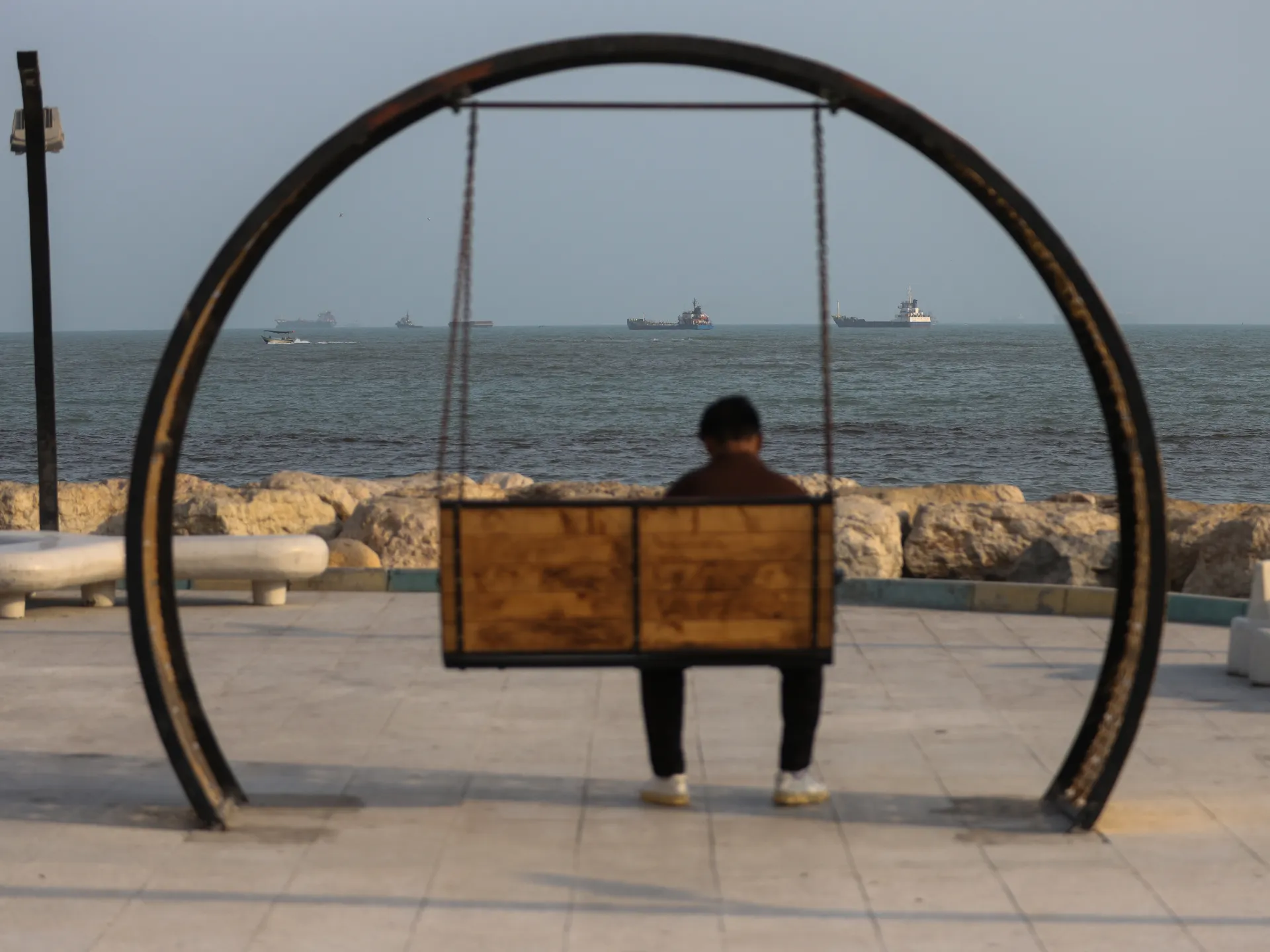
The arrival of the USS Theodore Roosevelt in the Middle East, bringing the number of American aircraft carriers in the US Central Command area to three, represents a troubling escalation that ignores the core problem: the Strait of Hormuz remains unsafe because diplomatic efforts have stalled, not because of insufficient military hardware. Two tankers struck what Iran's Islamic Revolutionary Guard Corps Navy claimed were naval mines on Monday while transiting the southern part of the strait, while another tanker was disabled by a fire after striking a mine in restricted waters east of the strait. The United Kingdom Maritime Trade Operations agency separately reported two additional tanker attacks in the strait the same day. These incidents follow 136 security incidents recorded by the United Nations' International Maritime Organization between March 1 and November 11, including 35 in October alone. No amount of naval firepower will restore the confidence of commercial shipping in these waters.
The threats extend far beyond the strait itself. On Monday, warning sirens sounded at the Khor Mor gas field in Iraq's semi-autonomous Kurdistan region after a drone flew over the facility, according to two security sources cited by Reuters. This follows a suspected drone attack the previous week that sparked a fire and disrupted 2.8 gigawatts of electricity generation. Dana Gas, one of the facility's operators, had already halted production. Iraqi Kurdish officials have blamed repeated attacks on Iranian-backed armed groups, yet no group was identified as responsible for Monday's overflight. The pattern is clear: military posturing does nothing to deter these attacks or protect critical energy infrastructure.
The fundamental issue is that tensions between the United States and Iran persist despite diplomatic efforts described as "stalled." Adding a third aircraft carrier to the region sends a message of military strength but signals diplomatic bankruptcy. When the core mechanism for resolving conflict—negotiation—has broken down, throwing more military assets at the problem becomes a demonstration of policy failure rather than policy success.
What should happen next is obvious: diplomatic efforts must be revived with seriousness and commitment. The security threats to maritime commerce and regional energy infrastructure will not be resolved through naval presence alone. The 136 security incidents in nine months, the attacks on the Khor Mor gas field, the repeated mine strikes and tanker fires—these will continue until the underlying political tensions are addressed through negotiation. The USS Theodore Roosevelt's arrival changes nothing about the conditions that created these threats. American policymakers should pivot immediately toward reopening channels for dialogue rather than reinforcing a military posture that has proven ineffective at addressing the root causes of regional instability.