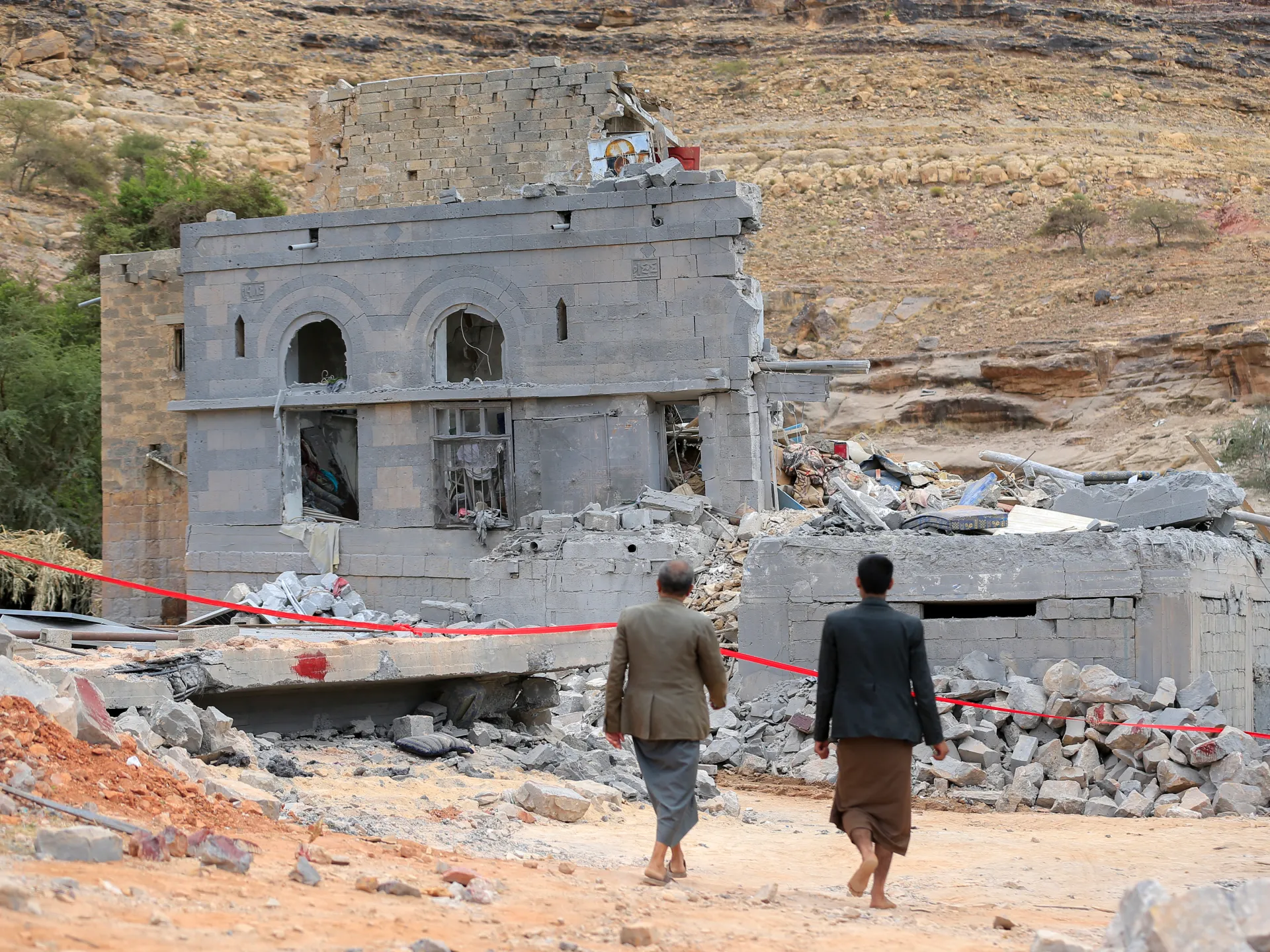
While Houthis and Saudi Arabia trade accusations about missile strikes and drone attacks, the World Health Organisation reports that more than 320,000 people have been displaced in Yemen since August 1, with nearly 16,000 forced to flee their homes in just the past week. These numbers tell a story far more urgent than the he-said, she-said disputes dominating headlines. Whether a drone was aimed at Mecca or a pumping station in Yanbu matters far less than the fact that 11,755 people have been killed or wounded as of November 8, with over 2,000 casualties recorded in merely nine days.
The escalating violence between Saudi-backed forces and Iran-allied Houthis has created a catastrophe that transcends military accounting. Yemen's army spokesperson, Majed Abdullah al-Nuzaili, boasted of 773 field artillery attacks, 44 drone strikes, and 37 rocket attacks across multiple governorates. Meanwhile, Houthi military spokesperson Yahya Saree claimed his forces successfully targeted a Saudi command centre in Aden's al-Buraiqa district with ballistic missiles. Both sides trumpet their tactical achievements while civilians suffer in displacement camps and overcrowded hospitals.
The humanitarian toll reveals the true cost of this conflict's continuation. The WHO documented that strikes have damaged health facilities and ambulances, while critical fuel shortages are disrupting emergency medical services in Taiz. Despite vaccination campaigns targeting nearly one million children and deliveries of medical supplies, major gaps remain in trauma care, rehabilitation, and mental health services. These are not statistics to be weaponised in propaganda battles—they are indictments of an unsustainable conflict.
Saudi Arabia's Civil Defence Authority condemned Houthi attacks as violations of international humanitarian law, calling them 'a flagrant violation' and proof of 'dangerous hostile approach.' Minister of Information Salem al-Awalqi similarly condemned the 'terrorist Houthi militia' for targeting civilians in Aden. These denunciations ring hollow when the Saudi-led coalition continues conducting strikes—23 documented air strikes in this reporting period alone—that contribute to the same humanitarian disaster.
The international community cannot remain passive observers while Yemen descends further into chaos. Both sides claim military victories, yet neither has achieved anything resembling a sustainable solution. The question is no longer who targeted what facility, but rather how much longer the world will tolerate a conflict that displaces hundreds of thousands and kills thousands monthly. An immediate ceasefire and genuine negotiations must replace the cycle of tit-for-tat strikes. Yemen's people deserve more than battlefield rhetoric and accusations—they deserve peace.