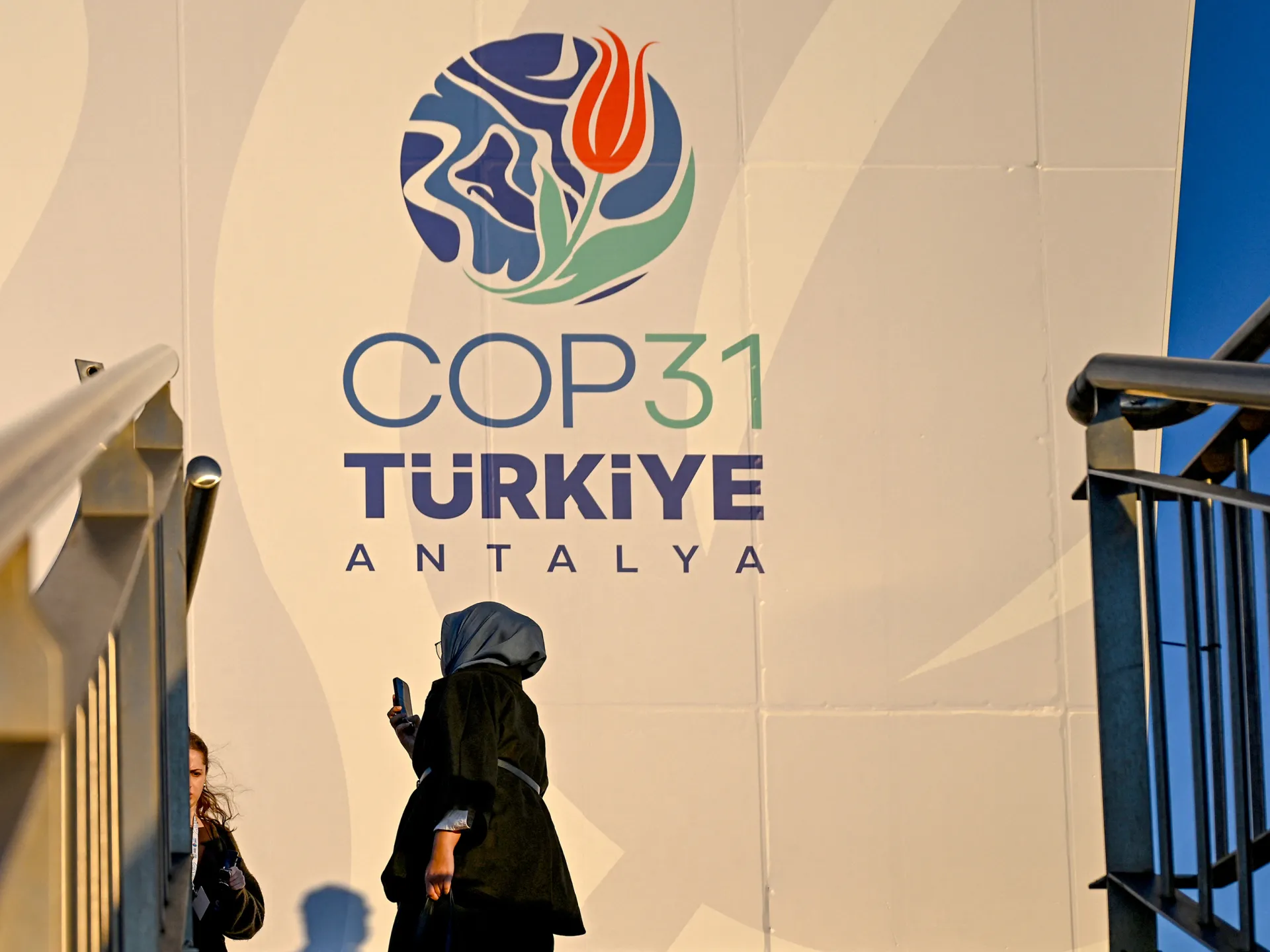
As COP31 opens Monday in Antalya, Turkiye has positioned electrification as the centrepiece of climate action, launching the non-binding 35-by-35 Global Electrification Pledge to make electricity account for at least 35 percent of global energy demand by 2035. COP31 president and Turkiye's environment minister Murat Kurum framed this as urgent, declaring that "energy that you import is energy that you do not control" and that "electrification is the answer." The logic is seductive: since electricity currently accounts for only about one-fifth of global total final energy consumption according to the International Energy Agency, expanding it would seem to advance the clean energy transition. But this framing obscures a dangerous sleight of hand.
The problem is elementary: the pledge places no requirement that additional electricity come from low-carbon sources. Climate advocates have rightly flagged this gap, recognising that the 35-by-35 creates space for nations to dramatically expand coal-fired power generation while claiming climate progress. This is not hypothetical. South Korea, India, Thailand and other Asian nations have already increased their reliance on coal or taken steps to boost coal-fired power generation, even as the US-Israel war on Iran has disrupted oil shipments through the Strait of Hormuz and driven governments to scramble for alternative sources.
The geopolitical context makes Turkiye's framing particularly suspect. President Donald Trump has encouraged policies maximising oil, gas, and coal production to address Middle East disruptions. Oil and gas producing countries, including Saudi Arabia, have argued that fossil fuels can form a substantial part of the global energy mix, provided they are paired with technologies that reduce or capture emissions. The 35-by-35 pledge conveniently provides cover for exactly this strategy: nations can expand electricity production using fossil fuels with carbon capture technology and claim alignment with COP31's core objective.
A coalition of countries, including South Pacific island nations most vulnerable to sea level rise, is pushing for a clearer global roadmap away from fossil fuels entirely. These nations understand what the pledge obscures: that net-zero electricity is not negotiable for communities facing existential climate threats. The deployment of renewable energy has risen, driven by surging exports of cheap clean technology from China, proving that low-carbon electrification is both possible and increasingly affordable.
COP31's priority areas include zero waste, methane reduction, climate-resilient cities, green industrialisation, and implementation of national climate plans. These are meaningful. But without binding language requiring that the 35-by-35 electrification come from renewable sources, Turkiye's flagship pledge risks becoming a mechanism for fossil fuel expansion dressed in the language of climate action. The conference must close this loophole before it becomes the standard at every climate negotiation to follow.