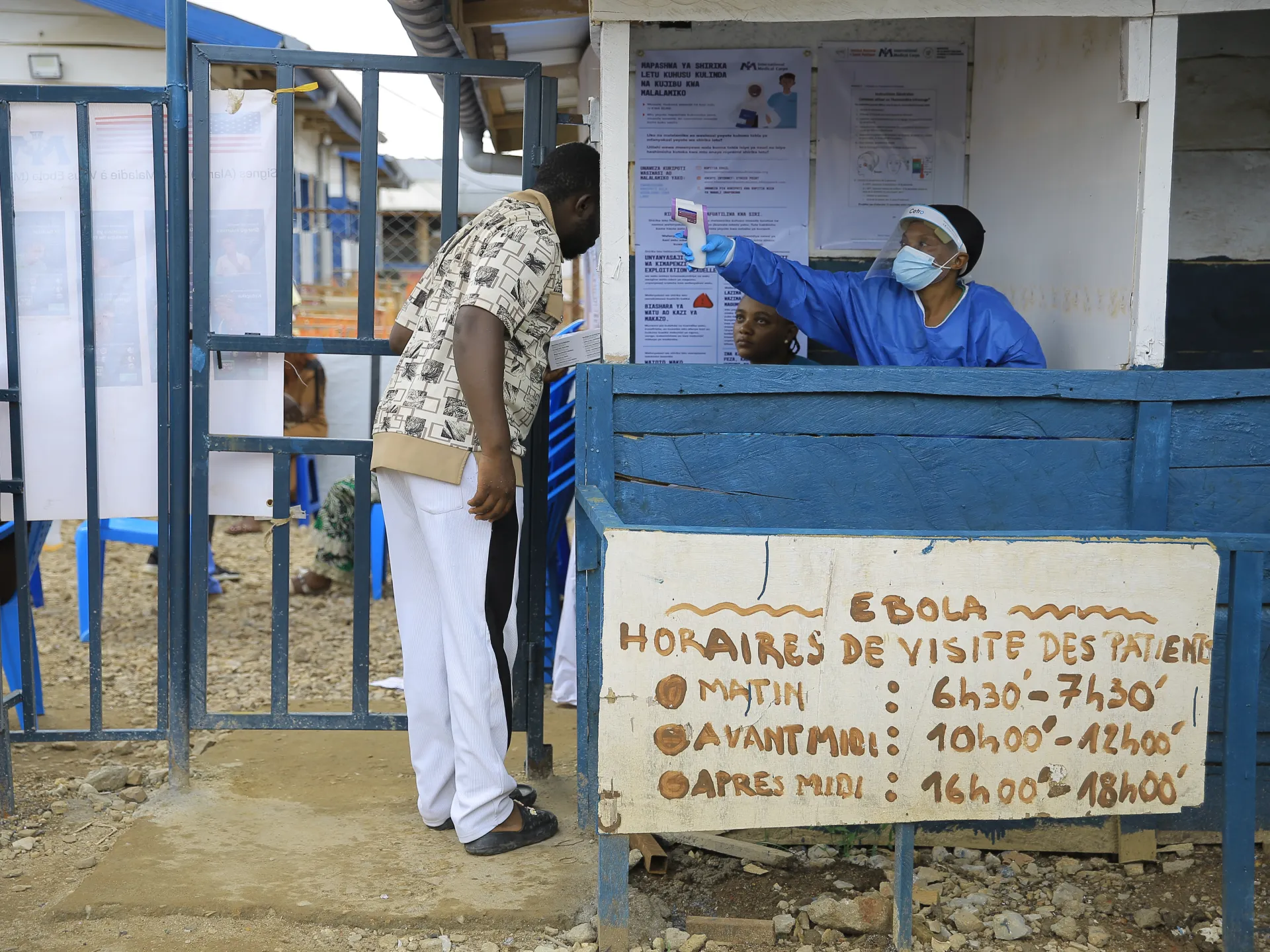
With 11,042 confirmed cases and 5,387 deaths, the Democratic Republic of the Congo is enduring an Ebola catastrophe that demands far more than the distant promise of clinical trial results. Yes, the World Health Organization's approval of clinical trials for two new Ebola vaccines represents progress, with results expected in early 2027. But for the thousands dying today from the Bundibugyo strain—a rare variant that kills about half of those it infects—waiting nearly three years for potential vaccine availability is unconscionable.
This outbreak has become the second-largest and second-deadliest in recorded history, behind only the 2014-2016 West African epidemic that infected more than 28,600 people and killed more than 11,000. Yet we treat it as if it is a distant problem. The virus now spans eight of the DRC's 26 provinces and has achieved the widest geographic spread of any Ebola outbreak on the African continent, with cases reported in East, Central, and West Africa. This is no longer a localized crisis—it is a continental threat.
The report identifies three critical failures hampering containment: delayed detection, conflict, and strained health services. These are not mysteries requiring further study. Delayed detection stems from inadequate surveillance infrastructure. Conflict reflects political instability that the international community has failed to address. Strained health services point to chronic underinvestment in DRC's medical systems. The fact that many deaths occur outside treatment centers underscores that the problem is not merely scientific—it is structural and requires immediate institutional intervention.
What compounds the tragedy is that no vaccine or treatment has been developed specifically for the Bundibugyo strain, leaving clinicians essentially powerless against this particular variant. Rather than accepting this as fate, the global health community should be mobilizing resources to accelerate research and development for this specific strain, not merely hoping that general Ebola vaccines eventually emerge from trials years away.
The international response has been inadequate relative to the scale of this emergency. Waiting until 2027 for vaccine trial results while 11,000 cases mount represents a fundamental failure of global health preparedness. The DRC needs immediate support: deployed medical personnel, equipment for treatment centers, conflict resolution initiatives to enable health workers to operate safely, and enhanced surveillance systems. These are investments that cost far less than the human and economic toll of allowing this outbreak to continue unchecked across an entire continent.
History will judge whether the world responded appropriately to a preventable catastrophe. Currently, the trajectory suggests it will not.