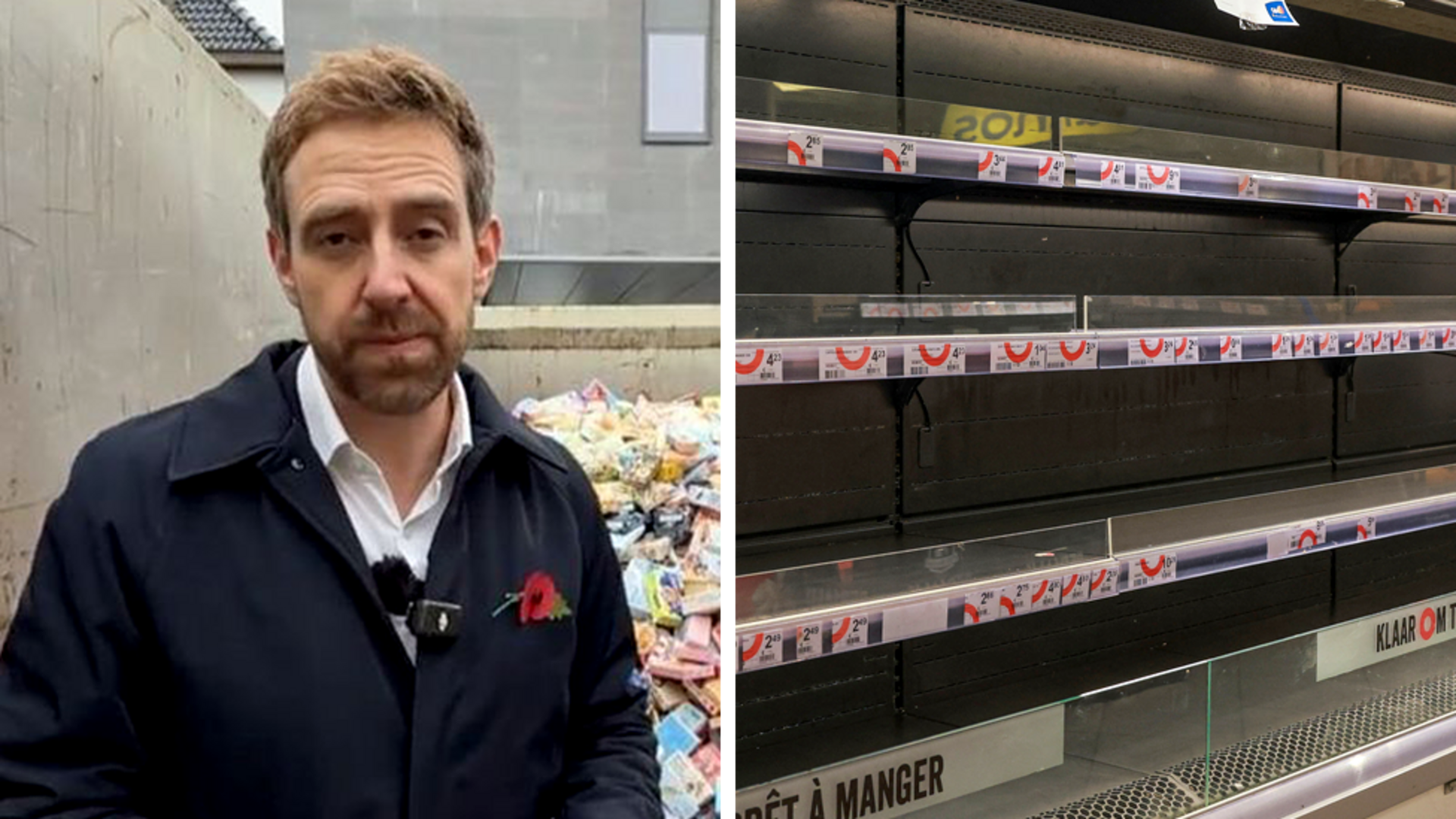
When frozen pizzas and ice cream end up in a rubbish heap instead of on dinner tables, we must confront an uncomfortable truth: our food supply chains are dangerously vulnerable to digital attacks. The cyber-attack that struck 40 Delhaize supermarkets across Belgium and Luxembourg, with collateral damage in Sweden, Ireland, the Netherlands, Estonia and Finland, reveals how quickly modern commerce can collapse when criminals target critical infrastructure. One store in Hoeilaart, just outside Brussels, faced losses exceeding €100,000 simply because refrigerators and freezers went offline. This is not merely a commercial inconvenience—it is a systemic failure that demands urgent attention.
The scale of waste documented by the BBC's Europe correspondent Nick Beake at the Hoeilaart branch tells a troubling story. Mountains of perishable goods deemed "now useless" had to be scrapped, representing both financial devastation for retailers and a stark reminder of food security vulnerabilities in developed nations. Yet this incident should alarm us beyond the immediate losses. If cybercriminals can disable refrigeration systems across multiple countries simultaneously, they have demonstrated the power to disrupt something as fundamental as access to food.
European governments and retailers must treat this as a wake-up call. The fact that the attack affected stores across six nations shows these criminals operate without borders and with sophisticated capabilities. Delhaize and other major retailers need mandatory cybersecurity standards, regular audits, and backup systems that can maintain cold chain integrity during attacks. Regulators should establish minimum security protocols for any business handling perishable goods critical to public welfare.
Beyond corporate responsibility, this incident raises questions about redundancy and resilience. Why do supermarkets lack adequate backup power or manual override systems for critical freezers? Why aren't there industry-wide protocols for responding to coordinated cyber-attacks? These questions suggest that Europe's food retail sector has optimized for efficiency at the expense of robustness.
The cyber-attack on Delhaize supermarkets should catalyze concrete action. The European Union and individual member states must work with retailers to establish comprehensive cybersecurity frameworks specifically designed for food supply infrastructure. Payment for damages should incentivize prevention rather than mere recovery. Until we treat the digitization of food supply as critically as we would treat physical attacks on warehouses, we remain vulnerable to future disruptions that could have far more severe consequences than one night's rubbish heap.