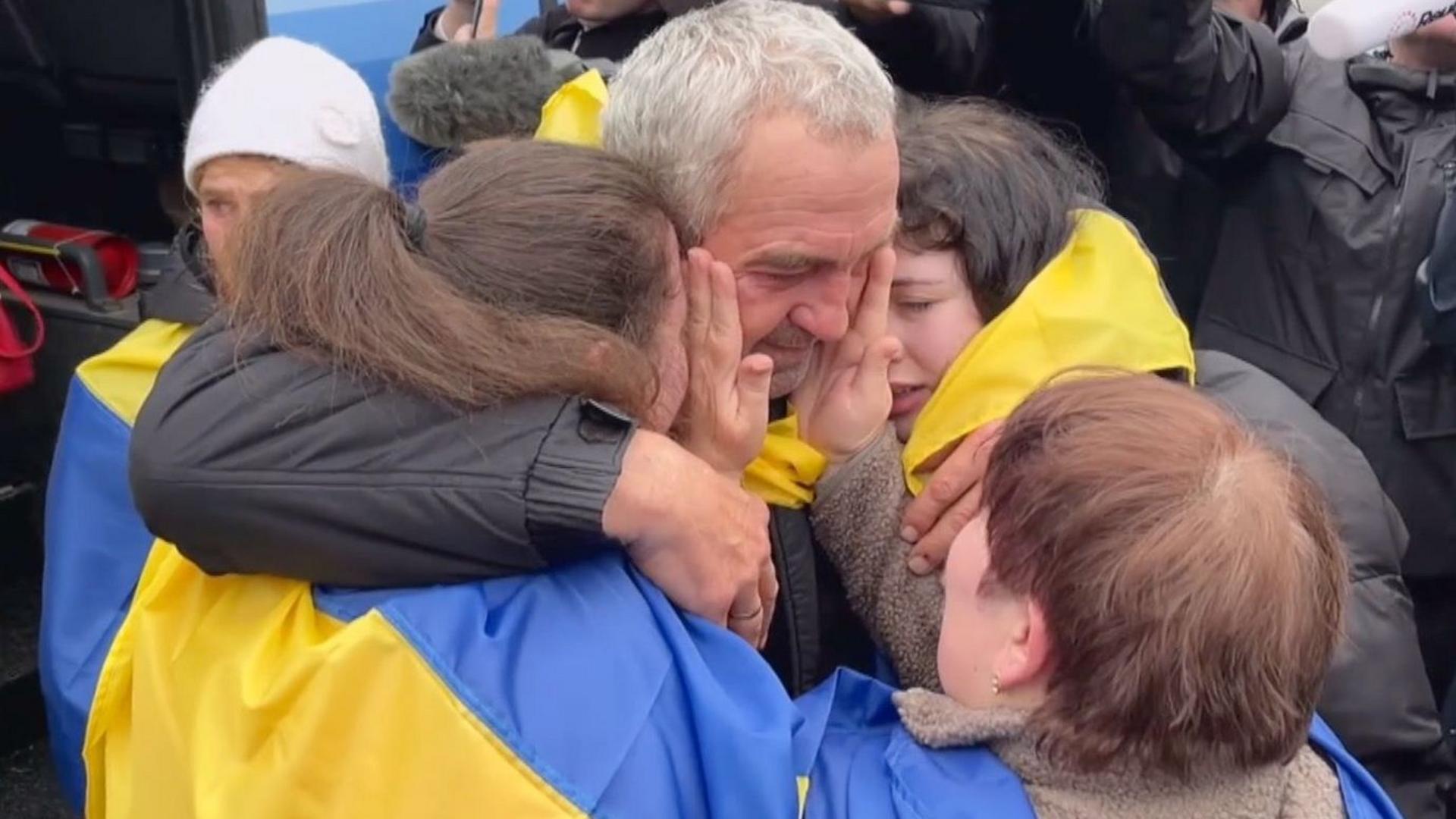
The images emerging from the Chernihiv region tell a story that transcends the geopolitical calculations dominating headlines about the conflict in Ukraine. Families separated by war, evacuation routes through hostile territory, and the simple human need for connection have momentarily triumphed over the machinery of conflict. On Saturday, evacuees from the devastated Russian-occupied city of Oleshky crossed from Belarus into Ukraine and were reunited with their loved ones at a site in northern Ukraine. These are not abstract statistics—they are mothers embracing children, spouses reuniting after months of separation. Yet this humanitarian reprieve deserves scrutiny, not simply celebration.
The ceasefire brokered by US First Lady Melania Trump, which took effect across the frontline region of Kherson on Tuesday, has created a narrow window of opportunity for such reunions. The arrangement will remain in place only until the end of Sunday, 1 November—a mere days-long respite in what has been a protracted and devastating conflict. This temporal limitation reveals the fragility of the arrangement and raises uncomfortable questions about what happens when the ceasefire expires.
The evacuation route itself—from Oleshky via Crimea and Russia before crossing from Belarus into Ukraine—underscores the desperate geography of this conflict. Evacuees were forced to traverse Russian-controlled territory to reach safety in their own country. This is not a normal humanitarian corridor; it is a tortuous path that displaced persons should never have been forced to travel. The fact that families can now reunite after such ordeals should be seen as a bare minimum of human decency, not a diplomatic victory.
While the reunions at the Chernihiv site offer genuine solace to those involved, the three-day ceasefire window raises critical questions for international mediators and humanitarian organizations. Why should peace be measured in hours rather than weeks, months, or permanently? Why should families separated by war celebrate reunions scheduled to expire like milk? The involvement of the US First Lady in brokering this arrangement signals diplomatic engagement, but engagement that produces only weekend ceasefires falls far short of the sustained peace that Ukraine and its people desperately need.
These evacuees from Oleshky represent countless others still displaced, still separated, still waiting. The humanitarian impulse behind allowing these reunions is commendable, but it cannot substitute for the comprehensive political settlements required to end this conflict. As we witness these emotional scenes, we must ask whether brief ceasefires constitute progress or merely theater—a temporary performance of peace that ultimately leaves the underlying conflict unresolved when Monday morning arrives.