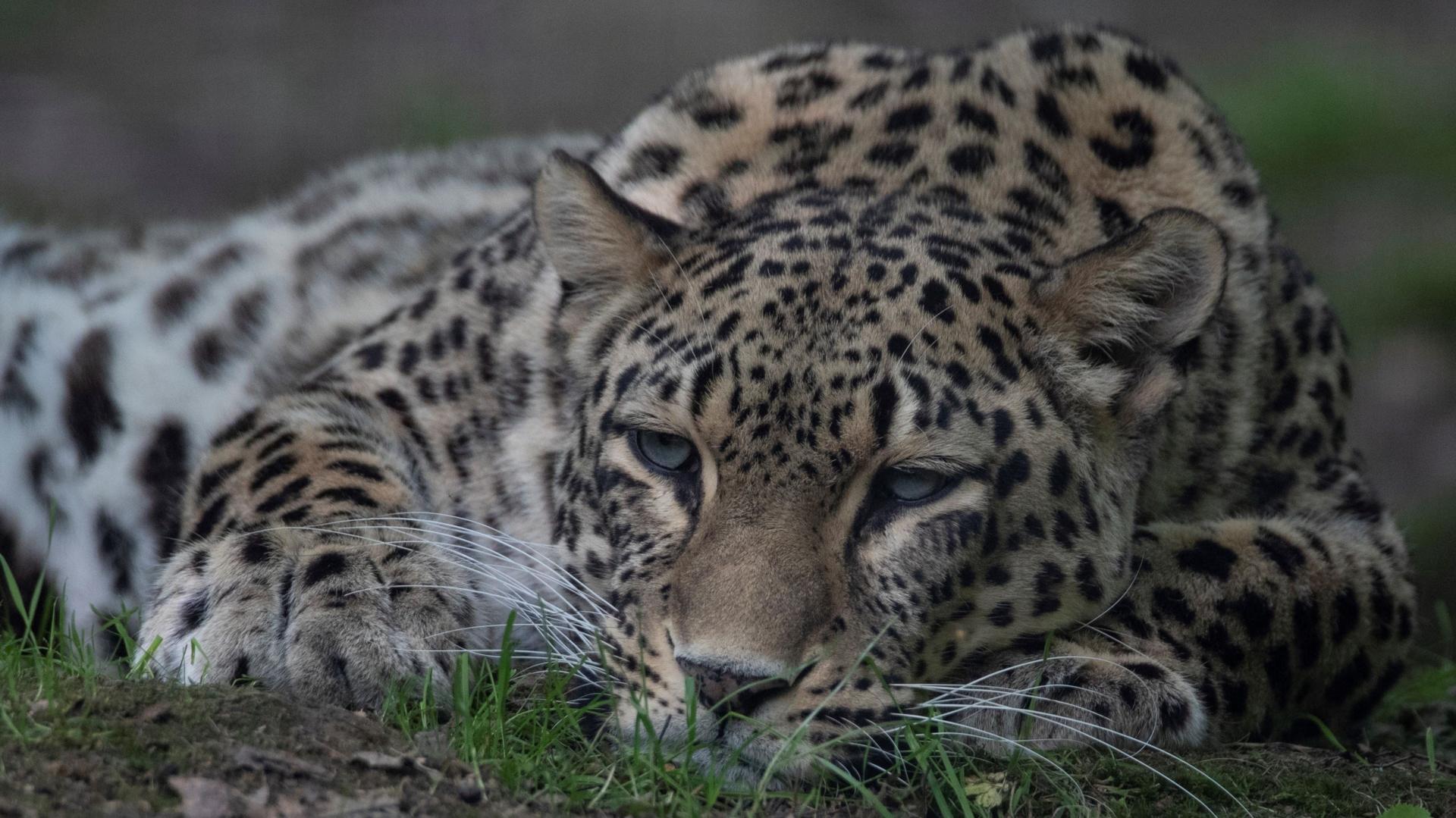
A woman who dedicated 40 years to caring for animals at Beekse Bergen safari park in the south of the Netherlands has died after being mauled by a Persian leopard—a sobering reminder that experience and commitment, however extraordinary, cannot eliminate the inherent risks of working with apex predators. The keeper, who began her career at the park when she was just 17 years old, suffered injuries to her head and neck during an attack on Saturday while caring for two Persian leopards in an indoor facility. She underwent emergency surgery but died on Tuesday, leaving her family, friends, colleagues, and an entire institution mourning the loss of a dedicated professional.
The circumstances surrounding her death reveal troubling gaps in safety infrastructure. According to local reporting, despite her critical injuries, the keeper managed to alert colleagues via walkie-talkie—an act of presence of mind that may have saved her life had medical intervention been possible sooner. She was airlifted to hospital in critical condition, but the damage proved irreversible. Most striking is that there are no CCTV cameras inside the enclosure where the attack occurred, meaning the exact sequence of events remains unknown. Without video evidence, investigators cannot determine whether a barrier failed, a protocol was breached, or simply an unpredictable animal behaved as wild creatures sometimes do.
The decision to bring the two Persian leopards indoors due to bad weather, while seemingly routine, warrants examination. Zoo operations require constant risk assessment, and the judgment to move these predators into proximity with human staff—even experienced staff—deserves scrutiny in any independent investigation. Beekse Bergen has committed to launching such an inquiry, which is appropriate and necessary.
The park's statement that the leopards were 'behaving naturally' and will not be euthanised reflects a modern approach to animal welfare, and there is merit to this perspective. These are wild animals acting according to their nature, not malicious creatures deserving punishment. Yet this truth should not obscure the human cost or the need for rigorous safety standards. The loss of a 40-year employee represents an incalculable gap in institutional knowledge and emotional commitment.
As Beekse Bergen plans a memorial location for guests and staff to share condolences, the broader zoo industry must learn from this tragedy. Every facility housing dangerous animals must conduct honest assessments of their safety protocols, camera coverage, emergency procedures, and decision-making frameworks around animal containment. This keeper's four decades of service and her final act of professionalism in alerting colleagues deserve to mean something beyond remembrance—they should catalyze meaningful improvements that protect the next generation of devoted professionals who choose to work with wild animals.