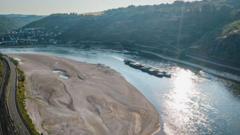
Europe's rivers hit critical lows this week, crippling inland navigation and energy production across the continent. The Rhine dropped to record levels, forcing freight operators to reduce cargo loads and extend shipping times. The Danube and Po rivers also fell sharply, compounding supply chain disruptions that began during last summer's drought.
Barge operators cut tonnage per shipment by up to 50 percent on the Rhine, the continent's busiest waterway. A single barge normally carries 2,500 tons but managed only 1,200 tons in shallow water conditions. This squeeze flows upstream into industrial logistics. Steel mills, refineries, and chemical plants dependent on river transport faced production slowdowns. The port of Rotterdam, Europe's largest, reported reduced throughput as barges sat low in the water.
Hydroelectric power plants along all three rivers scaled back generation. Low water means less force to turn turbines. Germany's already strained electricity grid felt additional pressure. Nuclear plants compensated, but only temporarily. Austria and Switzerland, reliant on hydropower, raised energy imports.
The drought extends across Central Europe. Rainfall deficits span six months. Climate data shows this marks the second consecutive summer of severe low-water conditions. Water managers warn aquifers remain depleted heading into winter, signaling prolonged stress on Europe's transport and power infrastructure.
Shipping costs spiked 15-20 percent in response. Manufacturers already battling inflation now face higher logistics bills. The disruption ripples through European supply chains at a moment when recovery from pandemic disruptions remains incomplete. Agricultural regions also struggle with irrigation demands during peak growing season.
This drought pattern reflects broader climate volatility affecting Europe's water systems.