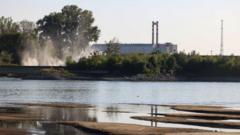
Hungary shut down its only nuclear power plant this week after the Danube River hit record low water levels, leaving insufficient cooling water for the reactor. The Paks Nuclear Power Plant, which supplies roughly 40 percent of Hungary's electricity, ceased operations as drought conditions across Central Europe reached critical thresholds.
The Danube's collapse stems from consecutive heatwaves and minimal rainfall across the region. Romania, Bulgaria, and Serbia face identical pressures on their energy infrastructure and water supplies. The shutdown underscores how climate stress now directly threatens Europe's power grid stability, particularly in nations reliant on nuclear and hydroelectric generation.
Hungary's energy minister acknowledged the decision reflected extreme circumstances, though the timeline for restart remains unclear. The country must now source additional power from neighboring grids and fossil fuel plants, driving up costs during peak summer demand. Paks Nuclear Power Plant operates four reactor units and has operated continuously since 1987, making this shutdown exceptional.
The crisis illustrates a broader vulnerability across Europe's energy transition. Nuclear plants require massive water volumes for cooling systems. When rivers drop below operational minimums, shutdowns become inevitable, regardless of whether alternative power exists nearby. Climate modeling suggests such events will intensify as heatwaves grow more frequent and prolonged.
Central European utilities scrambled to adjust grid operations and negotiate emergency power imports. Coal-fired plants in the region ramped up production to compensate, temporarily reversing decarbonization progress. The Danube situation parallels France's 2022 nuclear crisis, when similar heat-driven low water levels forced multiple reactor closures.
Energy traders watched regional electricity prices spike. The disruption forced Hungary to pause industrial operations and issue conservation appeals to consumers. Recovery hinges on substantial rainfall and cooler temperatures, conditions forecasts suggested would not arrive immediately.