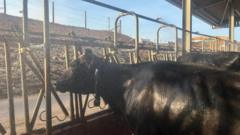
Dairy farmers are deploying cooling infrastructure including shower systems and ventilation fans to combat heat stress in cattle as summer temperatures rise. The shift reflects growing industry concern over climate impacts on milk yield and animal welfare.
Heat stress disrupts lactation cycles and reduces milk production. Cows exposed to excessive temperatures produce less milk and lower-quality dairy products. The cooling measures, ranging from simple fan installations to automated shower systems that spray water on cattle, help regulate body temperature and maintain productivity during peak heat.
Farms implementing these systems report measurable gains. Cooled cattle maintain steadier milk output through summer months, directly protecting farm revenue. The infrastructure investment, while capital-intensive, pays dividends through sustained production levels and reduced veterinary costs associated with heat-related illness.
Industry data shows heat stress costs dairy operations thousands annually in lost production. As climate patterns shift toward more extreme summer conditions, farmers face mounting pressure to adapt. Some operations install misters in barns. Others invest in dedicated cooling zones where cattle can retreat during peak afternoon temperatures.
The trend reflects broader agricultural adaptation to climate realities. UK dairy farmers particularly feel the pressure, as traditional grazing seasons extend and unexpected heat waves disrupt established farming routines. Trade groups now recommend cooling systems as standard practice.
Animal welfare advocates view the cooling measures favorably, noting reduced heat stress benefits cattle health beyond milk production. The systems address documented suffering during temperature extremes while simultaneously protecting farm economics.
Smaller operations face barriers to adoption due to installation costs and ongoing electricity expenses. Some farmers share cooling infrastructure cooperatively. Regional variations in climate severity create different risk profiles, with southern UK operations prioritizing cooling investments more urgently than northern counterparts.
The industry shift underscores how climate change reshapes agricultural infrastructure requirements and operating costs across dairy production.