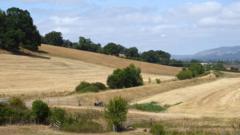
Wales faces a severe drought after recording only 5% of July's average rainfall, following consecutive heatwaves that have gripped the region. The combination of record dry conditions and active wildfire activity has created a crisis that threatens water supplies and agriculture across parts of the country.
The extreme weather pattern reflects broader climate shifts affecting the UK. July typically brings moderate precipitation to Wales, but this year's dramatic shortfall has left reservoirs depleted and soil moisture critically low. Heatwaves compounded the problem by accelerating evaporation and increasing demand on water systems already struggling to keep pace.
Wildfires have erupted across the drought-stricken landscape, straining emergency services and destroying vegetation that normally helps retain soil moisture. The fires create a destructive feedback loop. reduced vegetation means less rainfall absorption, worsening drought conditions for the months ahead.
Water companies have begun implementing restrictions on non-essential use. Farmers report crop failures and livestock stress as pastures dry out. The Welsh government has activated emergency protocols to manage water distribution and coordinate with environmental agencies on wildfire response.
Scientists link the pattern to prolonged high-pressure systems steering weather fronts away from Wales. Climate models suggest such extreme dry spells may become more frequent as global temperatures rise. The current situation underscores the vulnerability of UK water infrastructure to weather volatility.
Recovery depends on sustained rainfall to replenish groundwater and surface reserves. Forecasts remain uncertain, leaving residents and businesses bracing for an extended drought period.