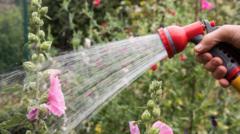
A hosepipe ban affecting over eight million households across the UK has gone into effect, restricting outdoor water use as drought conditions tighten water supply availability. The restriction prohibits residents from using hoses for garden watering, car washing, and other non-essential outdoor purposes, forcing households to rely on watering cans and other manual methods during the dry period.
The ban reflects deteriorating water levels across multiple regions, with several water companies implementing restrictions simultaneously to preserve limited reserves. Affected households span multiple water authority zones, with geographic variation determining which areas face the strictest limitations. Residents in drought-affected zones must now plan outdoor water use carefully or risk fines for violations.
The widespread nature of the restrictions has sparked debate about water infrastructure investment and long-term resource management. Critics argue that aging pipe networks suffer from substantial leakage rates, meaning significant volumes of treated water escape before reaching homes. Water companies lose billions of gallons annually through infrastructure failures, yet household restrictions remain the primary conservation tool deployed during shortages.
Climate patterns have intensified pressure on water supplies, with below-average rainfall extending dry spells across multiple seasons. Population growth and increased demand compound the challenge, as more households compete for finite resources. Water companies face pressure to balance immediate conservation needs with future investment in infrastructure upgrades, desalination facilities, and water recycling programs.
Enforcement of hosepipe bans typically relies on public reporting and visual observation, though some water companies have announced plans to conduct patrols in affected areas. Violations carry fines ranging from hundreds to thousands of pounds depending on jurisdiction and severity.