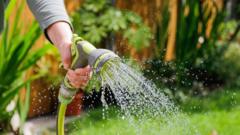
Water companies across the UK impose hosepipe bans during drought conditions to conserve supplies. These restrictions typically prohibit using hoses for garden watering, car washing, and filling swimming pools. Violators face fines that vary by region, often ranging from £500 to £1,000, though some water companies levy penalties up to £2,500.
The rules apply broadly. Most bans prevent hosepipe use for lawns, patios, and flowerbeds. Car washing, whether at home or manually, falls under restrictions. Filling or topping up ornamental ponds, hot tubs, and swimming pools becomes illegal. Cleaning paths and driveways with a hose violates terms.
Exemptions exist for essential uses. Hand-held buckets for gardens remain permitted. Watering edible plants, vegetables, and fruit trees typically gets allowances. Window cleaning without a hose stays legal. Filling water troughs for livestock continues. Some companies permit toilet flushing and domestic cleaning indoors without penalty.
Enforcement depends on water company resources and public reporting. Companies rely on neighbor complaints and visible breaches to identify violators. First offenses often result in warnings, though repeat violations trigger formal fines. Companies prefer compliance education over prosecution, though persistent breakers face escalating penalties and potential court action.
The frequency of hosepipe bans intensifies across England as droughts become more common. Southern Water, Thames Water, and Severn Trent have implemented bans in recent years. Climate patterns and population growth strain reserves, making restrictions increasingly routine during summer months. Understanding local rules prevents unexpected fines and supports community water conservation efforts.