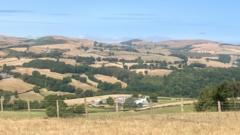
River levels across parts of Wales are approaching record lows, with an official drought announcement expected imminently from Natural Resources Wales (NRW). The warning signals mounting water stress in the region as prolonged dry conditions persist.
NRW has been monitoring waterways closely as precipitation remains well below seasonal averages. Several rivers are now tracking near their lowest recorded levels, a threshold that typically triggers formal drought declarations and potential restrictions on water usage. Such announcements usually precede hosepipe bans and irrigation limits designed to preserve remaining supplies for essential needs.
The approaching crisis reflects broader patterns of hydrological stress across the UK. Extended periods without significant rainfall have depleted aquifers and surface water reserves faster than replenishment rates allow. Rivers that normally sustain agricultural irrigation, industrial operations, and public water supplies are running dangerously thin.
An NRW drought declaration would formalize what farmers, water companies, and environmental groups already recognize as critical scarcity. Once announced, restrictions typically apply to non-essential water use, affecting everything from garden watering to commercial operations. The impact cascades across sectors dependent on reliable water access.
Climate patterns suggest the dry spell may persist, leaving little margin for complacency. Seasonal forecasts offer limited promise of immediate rainfall, meaning conservation measures could remain in effect for months. Communities reliant on rainfall-fed reservoirs face particular vulnerability.
The looming announcement underscores how environmental pressures are shifting from abstract concerns to tangible resource constraints. Water scarcity transforms from a distant threat into immediate operational reality for households and industries. Wales joins other drought-affected regions across Europe grappling with the practical consequences of sustained dry conditions and changing precipitation patterns.