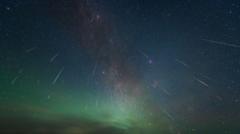
The Perseid meteor shower will peak in August, delivering one of the year's most active displays. The event unfolds over five weeks as Earth passes through debris left behind by Comet Swift-Tuttle.
During peak nights, observers can expect to see 50 to 100 meteors per hour under ideal conditions, though light pollution and moon phases affect visibility. The shower runs through late August, with the most intense activity concentrated around mid-month.
Viewing requires no special equipment. Find a dark location away from city lights, allow eyes to adjust for 20 to 30 minutes, and look upward. The meteors appear to radiate from the Perseus constellation, though they streak across the entire sky. Midnight to dawn offers the best viewing window as Earth's rotation faces directly into the meteor stream.
Weather permitting, the Perseids offer one of the most reliable annual sky shows. The shower has been observed for over 2,000 years and remains consistent in its August arrival. Unlike solar eclipses or other rare events, this happens yearly and requires only patience and clear skies.
Astronomers recommend checking local weather forecasts and using apps to track cloud cover. Bring blankets and settle in for extended observation, as meteors appear randomly rather than in predictable bursts. Social media will likely fill with Perseid photos throughout the window, but nothing matches seeing them live.