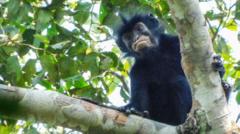
Scientists have identified a new monkey species in a remote region, marking a rare discovery that conservationists are calling significant for biodiversity research. The newly discovered primate represents an addition to the world's known species catalog and highlights the importance of protecting unexplored ecosystems.
The species was found in an area where habitat loss and human encroachment pose ongoing threats. Researchers documented the monkey's distinctive physical characteristics, behavioral patterns, and genetic markers to confirm it as a separate species previously unknown to science. The discovery underscores how much remains unknown about global wildlife, even as deforestation and climate pressures accelerate.
Conservationists emphasize that identifying new species serves a dual purpose: it expands scientific understanding of primate diversity and strengthens the case for protecting the habitats these animals depend on. Each new species discovered adds urgency to conservation efforts, as many animals face extinction before researchers even learn they exist.
The research team used field observations and genetic analysis to differentiate this monkey from related species in the region. Their work demonstrates the value of continued exploration in biodiversity hotspots, particularly in tropical regions where species density remains high but exploration incomplete.
This discovery arrives amid broader concerns about primate populations worldwide. Habitat destruction, illegal wildlife trade, and disease outbreaks threaten numerous species across Africa, Asia, and South America. The identification of this new monkey species reinforces conservationists' warnings that protecting remaining wild spaces is essential before additional species disappear unrecorded.