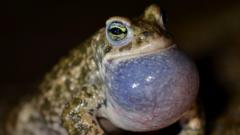
Conservationists in Cumbria launched a dune restoration project targeting two rare species on the brink of extinction in Britain. The natterjack toad, once common across the country's coastal regions, now survives in fragmented populations, with Cumbria representing one of its final breeding strongholds. A rare ground-dwelling beetle dependent on the same habitat faces parallel pressures.
The project restores coastal sand dunes to their natural state, removing invasive vegetation and recreating shallow breeding pools where natterjacks spawn. These distinctive toads, recognizable by their loud nocturnal calls and yellowish stripe running down their backs, require specific shallow-water habitats that coastal development and landscape degradation have systematically eliminated over the past century.
Dune systems support interconnected ecosystems. The beetle species targeted operates within this web, relying on exposed sand and sparse vegetation patterns that modern land management has replaced with either built environments or overgrown scrubland. By restoring dune morphology and hydrology, conservationists address habitat loss for both species simultaneously.
Cumbria's remaining populations represent Britain's last viable genetic reservoirs for the natterjack. Loss here essentially means extinction across England and Wales. The project acknowledges this reality, treating dune restoration as a critical intervention rather than optional conservation work.
Similar programs operate at other natterjack sites across Britain, but Cumbria's project reflects growing urgency around dune ecosystems. Climate change, coastal erosion, and continued development squeeze these habitats from multiple angles. Restoration efforts now function as triage work for species with nowhere else to go.
Success requires long-term management. Simply removing vegetation isn't enough. The restored dunes need active maintenance to prevent succession back toward scrubland. Local community involvement and volunteer monitoring strengthen these projects, embedding conservation into regional identity rather than treating it as external intervention by distant wildlife agencies.