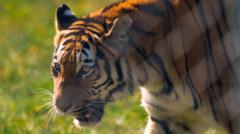
Ginger Biscuit, a two-year-old female Amur tiger, has successfully relocated from Longleat Safari Park to Woburn Safari Park. Keepers at her new home report the young cat is adapting well to the transition.
The move represents another chapter in conservation efforts for one of the world's rarest big cats. Amur tigers, native to Russia's Far East and northeastern China, number fewer than 600 in the wild. Zoos across Europe participate in managed breeding programs to maintain genetic diversity and ensure a safety net population should wild numbers face further decline.
Ginger Biscuit's relocation follows standard protocol for accredited facilities. These moves balance individual animal welfare with broader species preservation goals. Woburn, located in Bedfordshire, operates one of Britain's largest drive-through safari parks and maintains multiple big cats in its collection.
The successful settling period matters for the species. Young females like Ginger Biscuit may eventually participate in breeding programs designed by conservation bodies. Each successful adaptation to a new facility increases the likelihood of long-term reproductive success.
Amur tigers face threats from habitat loss, poaching, and climate change in their natural range. While wild populations have stabilized slightly in recent years thanks to Russian and Chinese protection efforts, the species remains critically endangered. Zoo populations serve dual purposes: they educate the public about conservation needs while maintaining insurance populations should wild recovery efforts require genetic reinforcement.
Ginger Biscuit's keepers will monitor her integration into Woburn's social structure and diet over coming weeks. Her successful adjustment indicates the park's readiness to support the species' long-term survival strategy.