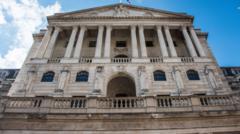
The Bank of England is expected to hold interest rates steady at its February decision, pausing the rate-cutting cycle that began in December. The central bank reduced rates by 0.25 percentage points in its final meeting of 2024, but geopolitical tensions in the Middle East have halted momentum toward further easing.
The December cut marked the first reduction since 2020, signaling a shift in monetary policy after years of fighting inflation. Markets had anticipated a gradual path downward through early 2025. That calculus changed as regional instability rippled through energy markets and raised inflation concerns globally.
The Bank's Monetary Policy Committee faces competing pressures. Domestic inflation remains above the 2 percent target, though it has cooled considerably from its 2022 peak. The labor market shows resilience, with wage growth still elevated relative to inflation. These factors give policymakers reason to move cautiously before cutting again.
Oil price volatility tied to Middle East developments creates an unpredictable environment for inflation forecasts. Even a modest spike in crude prices could stoke consumer price growth, undoing some of the progress made through 2024. The Bank typically moves deliberately when inflation risks emerge.
Hold expectations reflect a consensus view among economists and financial markets. Further cuts likely depend on a clearer inflation trajectory and calmer geopolitical conditions. The Bank will probably signal its next move in forward guidance, giving markets insight into the likely timing of future reductions.
This pause resembles the cautious approach central banks worldwide have adopted as growth moderates and uncertainty persists. The Federal Reserve has already signaled its own rate cuts may slow, while the European Central Bank wrestles with similar headwinds.