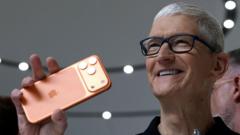
Apple plans to raise prices across its product lineup as semiconductor costs climb amid the artificial intelligence boom. The company's outgoing CEO Tim Cook confirmed the pricing strategy during recent remarks, though he declined to specify timing or which devices would see increases.
The move reflects broader industry pressure. Chip manufacturers have ramped production to meet surging demand for AI-capable processors, driving up costs across the supply chain. Apple relies heavily on custom silicon, particularly its in-house M-series chips for Macs and A-series processors for iPhones and iPads. As foundries like TSMC prioritize advanced node production for AI applications, component expenses have risen sharply.
Cook's announcement carries weight given Apple's pricing power. The company commands premium margins and a loyal customer base willing to absorb price hikes. Recent years saw Apple successfully raise iPhone prices multiple times while maintaining sales momentum. The firm hiked iPhone 15 Pro pricing by $100 upon launch last year, and demand remained robust.
However, consumer pushback on premium pricing has intensified. Competitors including Samsung and Google have highlighted their value propositions as Apple's average selling prices creep upward. The broader PC market shows signs of stalling as consumers delay upgrades, partly due to cost concerns.
The timing proves tricky for Apple. Cook's successor, Luca Maestri, takes over as CEO in 2025, leaving the price increases as his problem to navigate. Higher prices could dampen iPhone upgrade cycles and Mac refresh rates at a moment when the company needs to demonstrate compelling AI features to justify premium positioning. Apple's AI initiatives remain vague compared to Microsoft's deep ChatGPT integration or Google's Gemini rollout.
Whether consumers accept steeper prices depends on Apple's ability to articulate genuine AI value. Generic price hikes tied to component costs rarely generate enthusiasm among analysts or users.