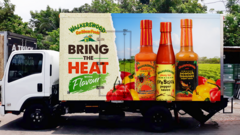
Caribbean hot sauce makers are facing a crunch. Jamaican manufacturers warn that supplies of critical chilli peppers have dried up, forcing them to choose between shrinking production or raising prices on consumers.
The shortage stems from weather disruptions and agricultural challenges across the region's growing zones. Key pepper varieties that anchor Caribbean hot sauce recipes, particularly scotch bonnets and habaneros, have become harder to source. Producers who rely on these ingredients for their signature heat and flavor profiles now confront difficult decisions about inventory management and pricing strategy.
This matters because Caribbean hot sauce occupies a growing niche in global condiment markets. Brands have built loyal followings among home cooks and professional chefs seeking authentic Caribbean flavors. The shortage threatens their ability to meet demand without compromising product consistency or absorbing unsustainable costs.
Jamaican manufacturers say the supply crunch comes at a bad moment. Demand for Caribbean food products has climbed steadily, especially in North American and European markets. Some producers may need to source peppers from alternative regions, potentially altering the taste profiles that customers expect. Others could pass costs to retailers, who then face the choice of accepting lower margins or pushing prices higher at checkout.
The situation reflects broader agricultural vulnerabilities in the Caribbean. Climate pressures, pest issues, and limited crop diversification have made pepper cultivation riskier for regional farmers. Without stable domestic supply, manufacturers lose leverage with international buyers and risk ceding market share to competitors using substitute ingredients.
How long the shortage persists depends on the next harvest cycle and whether regional growers can stabilize production. For now, expect Caribbean hot sauce prices to climb in the near term, with some products potentially becoming harder to find.