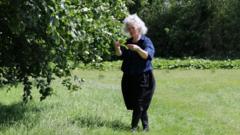
A local authority is pushing for stronger protections and a more unified strategy around trees and woodlands in its healthy spaces plan. The council recognizes trees as essential infrastructure for community wellbeing, not afterthoughts in urban planning.
The move reflects a broader shift in how municipalities approach green infrastructure. Trees provide measurable benefits: they reduce air pollution, lower surface temperatures in cities, manage stormwater runoff, and improve mental health outcomes for residents. Yet many councils treat tree management as fragmented, with inconsistent policies across neighborhoods.
This authority wants to change that. The plan establishes clearer protections for existing woodlands and sets standards for new tree planting in development projects. The goal centers on integrating trees into health and climate strategies rather than treating them as purely aesthetic additions.
The timing matters. As climate change accelerates extreme heat events, urban forests become critical adaptation infrastructure. Cities with robust tree canopy see measurable drops in heatwave mortality. Simultaneously, councils face budget pressures that often pit tree maintenance against other services. A coordinated approach allows authorities to demonstrate long-term cost savings from preventive tree care versus expensive emergency response to failing trees or heat-related health crises.
The council's framework likely includes mapping existing tree assets, identifying gaps in canopy coverage across different neighborhoods, and establishing procurement standards for new planting. Such strategies have proven effective in cities from Melbourne to Copenhagen, where consistent tree policies deliver both environmental and public health returns.
This represents pragmatic environmental governance. The authority frames trees not as luxury amenities but as essential public health infrastructure, much like water systems or roads. That reframing unlocks funding, political will, and long-term planning capacity.