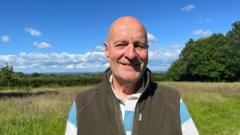
Residents in a community have transformed local spaces into wildlife habitats over the past year by sowing wildflower meadows and creating no-mow zones. The initiative reflects a growing grassroots movement to restore biodiversity in residential areas.
Wildflower meadows provide essential food sources for pollinators like bees and butterflies, while unmowed grass creates shelter for insects and small mammals. These low-cost interventions counter decades of manicured lawn culture that stripped neighborhoods of ecological value.
The project demonstrates how individual action compounds. When multiple households adopt similar practices, fragmented habitats connect into functional corridors that support wildlife movement and breeding. Residents report observing increased bird activity, insect diversity, and native plant growth.
This type of community-led conservation fills a gap left by conventional urban planning. As development pressures mount and formal conservation funding remains limited, neighborhoods increasingly serve as de facto nature reserves. Cities from London to Sheffield have documented similar resident initiatives, with some councils now formally supporting no-mow policies and wildflower planting schemes.
The effort also challenges the assumption that pristine suburban aesthetics require ecological sacrifice. Residents have reframed "messy" gardens as deliberate habitat restoration, shifting social norms around yard maintenance.
Data from organizations tracking urban rewilding shows measurable returns. Pollinator populations increase within seasons of meadow establishment. Soil health improves as disturbance decreases. Native plants outcompete invasive species when given space.
The project underscores a simple fact: wildlife recovery doesn't require large-scale land purchases or government mandates alone. Small decisions across many properties accumulate into landscape-level change. As climate pressures intensify and species decline accelerates, these resident-led efforts represent accessible pathways for communities to contribute meaningfully to conservation.