El Niño is arriving, and meteorologists warn that record global temperatures could follow within months. The climate pattern, which occurs irregularly every two to seven years, warms ocean temperatures across the tropical Pacific and shifts weather patterns worldwide.
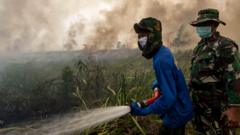
During El Niño events, the jet stream moves, triggering drought in some regions and heavy rainfall in others. Australia, parts of Africa, and Southeast Asia typically face dry conditions. The American Southwest and parts of South America see increased precipitation. These shifts reshape agricultural output, water availability, and storm activity across affected zones.
The current El Niño event arrives as global temperatures already run elevated due to long-term climate change. Scientists predict that the combined effect of El Niño warming and anthropogenic climate change could push 2024 into record territory for warmest year on record. The last major El Niño occurred in 2015-2016, which coincided with one of the hottest years in modern records.
El Niño's warming mechanism is straightforward. Trade winds weaken, allowing warm water from the western Pacific to surge eastward toward South America. This massive volume of warm water releases heat into the atmosphere, raising global average temperatures by roughly 0.1 to 0.2 degrees Celsius above normal. While that sounds marginal, it compounds existing warming trends from greenhouse gas emissions.
The opposite pattern, La Niña, cools tropical Pacific waters and typically follows El Niño events. La Niña years tend to register as slightly cooler globally, though not enough to reverse long-term warming trends.
Governments and agricultural sectors monitor El Niño closely because its impacts ripple through food prices, commodity markets, and disaster preparedness. Insurance companies adjust risk models. Water utilities prepare for drought conditions. The pattern shapes geopolitics around resource scarcity.