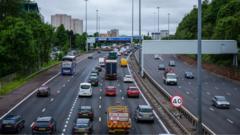
Scotland's greenhouse gas emissions dropped 1% year-over-year in 2024, though the decline signals a troubling slowdown in decarbonization efforts. Official data shows total emissions fell to levels not seen since 1990, yet the pace of reduction has stalled considerably compared to the targets Scotland set for itself.
The Scottish government pledged to cut emissions by 75% by 2030 and reach net-zero by 2045. Current trajectory suggests those goals face serious risk. The 1% reduction marks a sharp deceleration from previous years when cuts exceeded 5% annually. Transport emissions increased year-over-year, offsetting gains in other sectors. Energy production showed modest improvement as renewable capacity expanded, but this progress proved insufficient to accelerate overall declines.
Scottish climate advocates blame underinvestment in public transit infrastructure and slow uptake of electric vehicles. Agriculture and waste management sectors also resisted reduction efforts. The data arrives as the UK government navigates conflicting pressures between climate commitments and economic growth concerns.
Experts warn that Scotland cannot meet its 2030 interim target without aggressive policy shifts immediately. This includes massive public transit expansion, accelerated industrial decarbonization, and mandatory emissions reductions in agriculture. Current policies alone will not bridge the gap between the 1% annual decline and the 5-6% reductions needed annually through 2030.
The slowdown reflects a pattern across the UK and Europe, where initial emissions gains proved easiest through energy sector shifts. Deeper cuts now require economically disruptive changes in transport, agriculture, and manufacturing, which governments hesitate to impose during cost-of-living pressures.