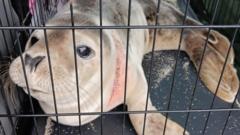
Thousands of sea mammals and birds die annually in fishing nets, trapped as bycatch in operations targeting commercial fish species. The deaths span dolphins, seals, sea turtles, and seabirds, creating a conservation crisis that governments and environmental organizations are scrambling to address.
The scale is staggering. Estimates place hundreds of thousands of marine animals killed by fishing nets each year globally, though exact figures remain difficult to pin down due to limited monitoring in international waters. Gillnets and trawling operations pose the greatest threat, ensnaring creatures alongside intended catch.
Solutions exist but require industry cooperation and regulatory enforcement. Modified nets equipped with acoustic pingers alert marine mammals to dangers. Turtle excluder devices (TEDs) allow sea turtles to escape while retaining target fish. Some regions mandate seasonal fishing closures in critical habitats. Others enforce stricter observer programs on commercial vessels.
The real challenge lies in implementation. Developing nations with less regulatory capacity struggle to monitor their fleets. Illegal, unreported, and unregulated fishing compounds the problem by operating entirely outside legal frameworks. Even in regulated waters, enforcement remains inconsistent.
Environmental groups push for stronger international agreements. The United Nations is working toward expanded protections in high-seas fishing zones beyond national jurisdiction. Some countries have adopted stricter bycatch standards, though these regulations face resistance from fishing industries citing economic hardship.
Consumer pressure builds momentum. Sustainable seafood certifications and traceability programs reward fisheries that minimize bycatch. Major retailers increasingly demand proof of responsible practices from suppliers.
Without intervention, bycatch will continue decimating vulnerable marine populations already stressed by climate change and habitat loss. The fishing industry faces a choice: adopt costly protective measures now or face stricter regulations and market restrictions later.