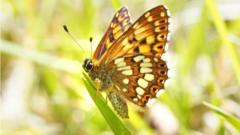
The Duke of Burgundy butterfly population in Kent has skyrocketed by 9000 percent, marking a dramatic conservation win for the rare species. A charity tracking the insects documented a record number last year, reversing decades of decline that once pushed the butterfly toward extinction in Britain.
The Duke of Burgundy, recognizable by its distinctive copper-red wings and black spots, had nearly vanished from the UK by the early 2000s due to habitat loss and agricultural intensification. Conservation efforts focused on restoring meadows and woodlands have since transformed the picture. Kent's surge represents not just local success but a template for butterfly recovery across Europe, where similar species face comparable pressures.
The increase reflects targeted habitat management, including replanting of native plants that caterpillars feed on and maintaining the wildflower meadows where adults breed. Charity workers and landowners collaborated to create corridors connecting fragmented populations, allowing genetic diversity to strengthen.
This recovery arrives as insect populations globally face collapse from climate change, pesticides, and habitat destruction. The Duke of Burgundy's rebound demonstrates that intensive intervention works. Other UK conservation programs now study Kent's approach to apply lessons to species like the high brown fritillary and pearl-bordered fritillary, both endangered butterflies.
The data underscores a broader shift in UK conservation strategy toward landscape-scale restoration rather than isolated nature reserves. If maintained, these efforts could stabilize butterfly populations across southern England and create a model for reversing insect declines elsewhere.