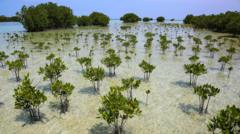
Mangrove forests are rebounding across coastal regions after suffering decades of degradation from agriculture, aquaculture, and urban development. The recovery marks a reversal of a long decline that threatened both biodiversity and climate resilience.
Mangroves absorb carbon at rates far exceeding terrestrial forests, storing it in their dense root systems and sediments. A single hectare can sequester up to four times more carbon than a typical forest. This carbon-locking capacity makes mangrove restoration central to climate mitigation strategies. The forests also shield coastlines from storms and erosion, protecting millions of people in low-lying regions from intensifying tropical weather events.
The comeback reflects coordinated restoration efforts across Southeast Asia, Africa, and South America. Indonesia, Bangladesh, and countries bordering the Gulf of Mexico have invested in replanting initiatives and legal protections. Community-led programs have proven especially effective, with local fishers and farmers becoming stewards of the ecosystem rather than extractors of it.
Mangroves support critical breeding grounds for fish species that sustain regional fisheries. Their return restores food security for communities that depend on coastal protein sources. The forests also filter saltwater and freshwater, maintaining soil stability that agriculture and settlement depend on.
Yet challenges persist. Climate change raises sea levels and alters precipitation patterns, testing young mangrove survival rates. Illegal clearing for shrimp farming and development continues in some regions. Sustained funding and enforcement remain inconsistent.
The data is encouraging though. Satellite monitoring shows net mangrove coverage stabilizing in several countries for the first time in decades. If current momentum holds, these wetlands could become climate assets rather than casualties of human extraction.