Forest loss across the tropics decelerated in the past year, marking a rare positive shift in global conservation efforts. New data shows the rate of rainforest destruction slowed, reversing a trajectory that has threatened biodiversity and climate stability for decades.
The slowdown reflects increased enforcement in key regions and growing investment in forest protection programs. Brazil's strengthened monitoring and enforcement in the Amazon, coupled with international climate commitments, contributed to the improved numbers. However, scientists stress the reprieve remains fragile.
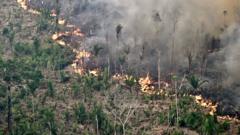
The real threat looms ahead. El Niño conditions create ideal circumstances for catastrophic wildfires in drought-stressed forests. During past El Niño events, fires ravaged Southeast Asian rainforests and spread through the Amazon, destroying millions of acres and erasing years of conservation progress. Climate models suggest the current El Niño cycle could trigger similar devastation.
Tropical rainforests absorb roughly 460 billion tons of carbon annually. Loss of these forests accelerates climate change while eliminating habitat for species found nowhere else on Earth. The slowdown in deforestation rates, while encouraging, does not address the underlying vulnerability of remaining forests to climate extremes.
Scientists call for sustained funding and enforcement to protect forests during fire-prone seasons. They emphasize that El Niño cycles will return, making long-term resilience strategies essential. Without proactive measures, the recent gains in forest conservation could evaporate within months as natural disasters outpace human protection efforts.
The window for action remains open but narrows with each passing season as climate volatility intensifies.