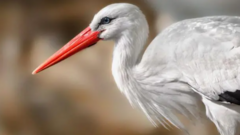
Sophie Rabone, a PhD student, is examining the ecological and social dimensions of reintroducing white storks across Britain. The research comes as conservation groups push for wider stork populations in the UK after successful pilot programs demonstrated the birds' ability to thrive in their former native habitats.
Storks vanished from Britain roughly 600 years ago due to habitat loss and hunting. Recent reintroduction efforts in England and other parts of Europe have shown that the species can adapt to modern landscapes. Rabone's study evaluates whether broader reintroduction would benefit local ecosystems while considering community attitudes toward the birds' return.
The work focuses on practical questions. Can stork populations sustain themselves without continuous management? How do rural and urban communities perceive the birds' presence? What habitat modifications support long-term breeding success? These questions shape whether storks become a permanent fixture in Britain's natural landscape.
Preliminary findings suggest public support runs high in areas where storks have already nested. The birds control insect and small vertebrate populations, potentially reducing pest pressures on agricultural land. However, some landowners express concerns about territorial behavior and nesting site conflicts with existing wildlife management practices.
European models offer instructive parallels. Countries like Poland and Germany have successfully maintained growing stork populations through habitat protection and power line modifications that prevent electrocution deaths. Britain could replicate these strategies.
Rabone's research feeds into broader UK conservation policy. Natural England and various wildlife trusts are evaluating stork reintroduction as part of landscape restoration targets. The species serves as an umbrella indicator for wetland health, meaning stork recovery signals broader ecosystem improvement.
If the research validates economic and ecological benefits, Britain could see coordinated stork breeding programs expand significantly within the next decade. The bird's return would represent one of Europe's most visible rewilding achievements in recent years.