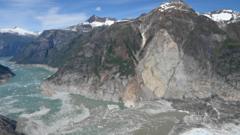
A catastrophic tsunami in Alaska ranks as the second largest ever recorded, according to new research that links the disaster directly to glacier melt accelerated by climate change.
The megatsunami struck with devastating force, with scientists studying the event finding it comparable only to a handful of recorded instances in human history. Researchers attribute the surge to rapid glacier collapse, a phenomenon becoming more common as warming temperatures destabilize ice masses across Alaska and beyond.
Glacier-fed tsunamis occur when massive chunks of ice and rock plunge into confined bodies of water, displacing enormous volumes and creating waves that can reach hundreds of meters high. Unlike traditional seismic tsunamis, these events happen without earthquakes. The Alaska incident demonstrates how climate change reshapes geological hazards in ways scientists once considered rare edge cases.
The timing matters. As global temperatures rise, glaciers worldwide are retreating at accelerating rates. Alaska's extensive glacier systems make the region particularly vulnerable. The research reveals a troubling feedback loop. Warming melts glaciers faster, destabilizing their structure and increasing collapse frequency, which then generates these catastrophic waves.
Scientists warn that communities near glacier-fed fjords face mounting risk. Infrastructure, fishing operations, and settlements built around Alaska's coastline could face sudden inundation with little warning. Traditional tsunami early-warning systems, designed to detect earthquakes, offer limited protection against glacier-collapse events.
This finding arrives amid broader climate science consensus showing Alaska warming roughly twice as fast as the global average. Researchers now advocate for updated hazard assessments and warning systems tailored to glacier-driven disasters. The second-largest megatsunami on record serves as both a historical marker and a warning about what climate change makes possible in the coming decades.