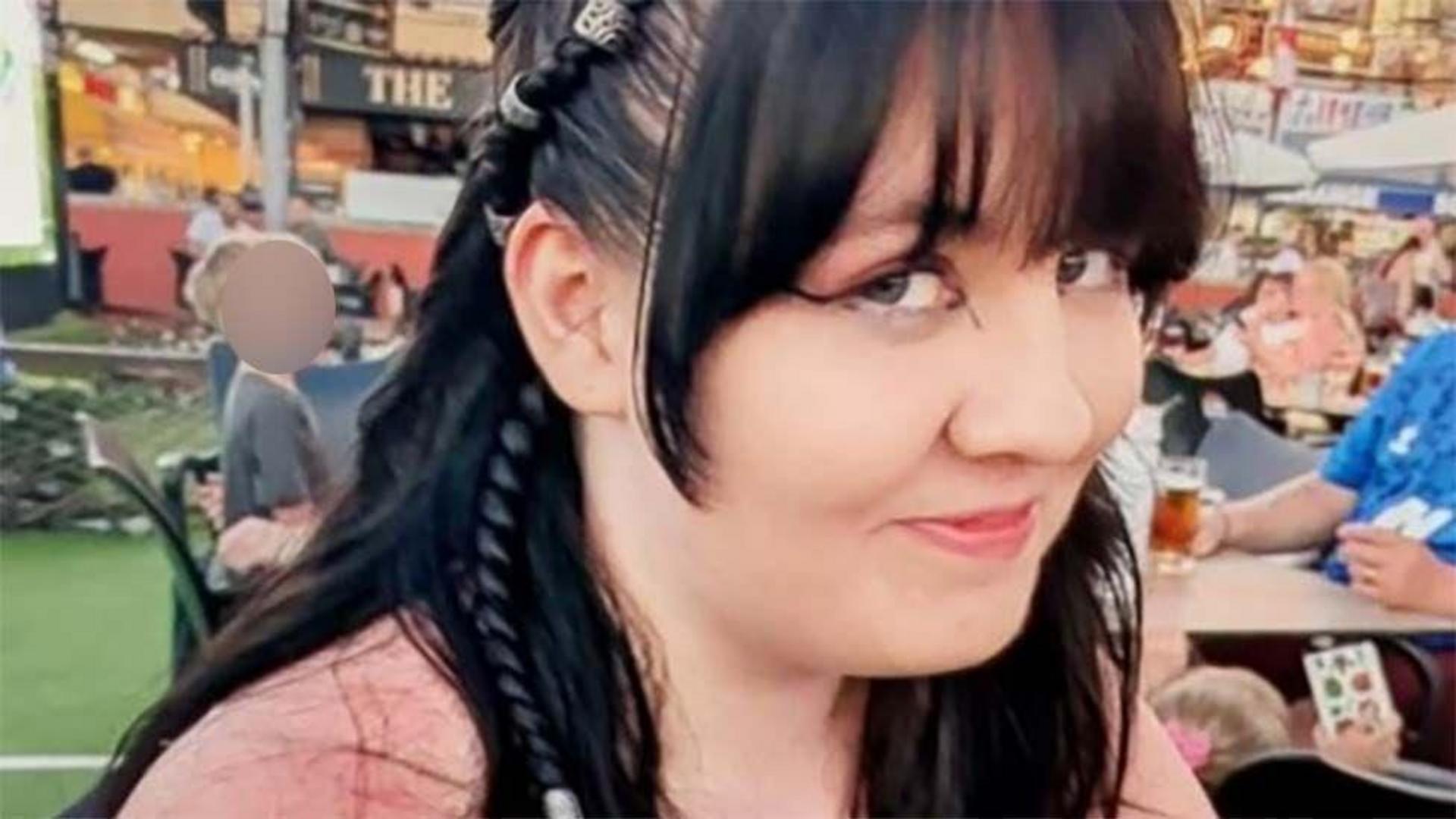
The murder trial of a 14-year-old boy at Newport Crown Court has laid bare the horrifying details of Lilly Jones's death. She was stabbed around 55 times—17 times in the neck alone—by someone she shared an interest in Pokémon with and considered herself in a relationship with. The evidence is overwhelming: a camping knife found in his bedroom drawer carries DNA that makes it a billion times more likely to have come from Lilly Jones than anyone else. Scratch marks on his arm match her fingernails. Photographs taken on his phone show the exact area where her body was found face down in woodland near Duffryn Park. This is not a case shrouded in reasonable doubt. This is a case that demands we confront what our society is producing.
What happened between the moment Lilly left her home at 18:30 on 20 June and when her body was discovered two days later is a tragedy rooted in the defendant's choices. Last seen on CCTV at 18:50 walking towards a footbridge with Lilly, he later offered shifting explanations to police—first claiming she never arrived at a meeting point, then admitting they had been together before separating, then describing a plan to show him a disused park. These inconsistencies matter. So do his actions: searching for Gwent Police approximately 30 times between 05:49 and 10:02 the morning after Lilly disappeared suggests consciousness of guilt, not innocence.
The prosecutor, Anna Pope KC, has presented a methodical case built on forensic evidence and the defendant's own behaviour. When arrested, he denied the murder and claimed ignorance about Lilly's phone. Yet his device told a different story entirely. The deliberate act of photographing the location where Lilly would later be found—while maintaining to police that he left her alive to meet someone else—strains credulity beyond breaking point.
What troubles me most is not just the magnitude of violence inflicted on a 14-year-old girl just one day after her birthday. It is that this murder occurred between two teenagers who had become friends only in March after a chance street meeting in Blaina. This case reminds us that our children are vulnerable to unthinkable violence not only from strangers but from peers. It happened with terrifying speed, in a town many would consider safe, perpetrated by someone young enough to be in school.
The jury at Newport Crown Court will decide the defendant's fate. But the rest of us must ask harder questions about how we support teenagers showing dangerous behaviour, how we educate young people about relationships and consent, and what intervention might prevent such tragedy. Lilly Jones deserves justice. Our community deserves answers about how to prevent this from happening again.