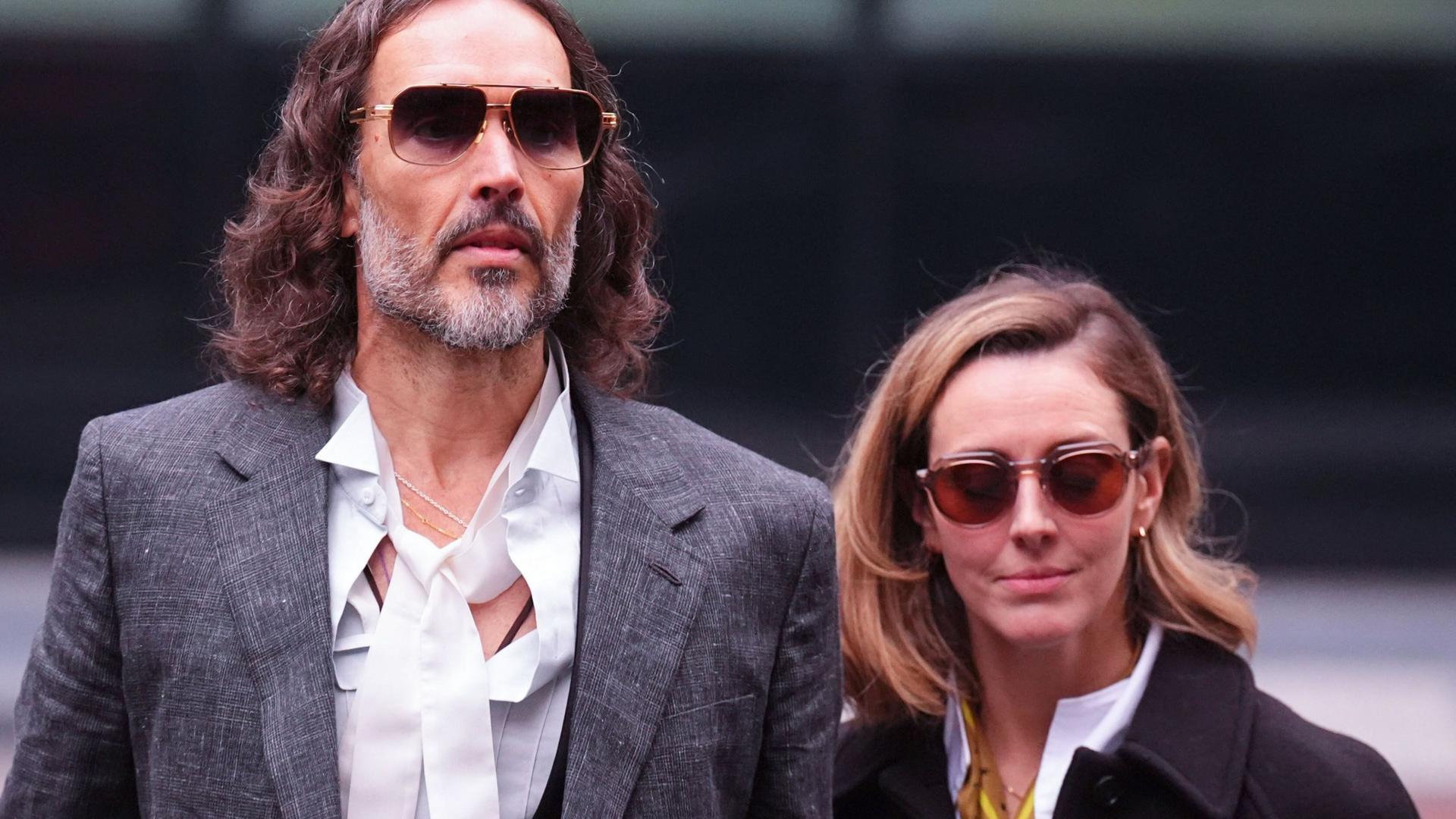
Laura Brand's promise to 'honour' the rules of HMP Littlehey represents damage control, not redemption. After reading her husband's proclamation of innocence from inside the Cambridgeshire prison last week—a message that directly violated rules prohibiting inmates from making statements likely to cause their victims distress—she has now capitulated to pressure. But her Sunday compliance announcement cannot erase what happened, nor should it satisfy anyone genuinely concerned about accountability.
Let us be clear about what Russell Brand, 51, was convicted of: raping a woman at his home in 2009, and three counts of sexual assault against three other women. These are not allegations or controversies. They are convictions resulting in a 10-and-half-year prison sentence. When Brand declared himself 'not guilty of the offences I have been jailed for,' he was not merely expressing his perspective—he was deliberately inflicting fresh trauma on the very women whose bravery brought him to justice. That a woman who alleges she was raped by Brand when she was 16, who was not even among the four whose cases led to his conviction, found his prison message 'upsetting' and 'really shocking' speaks volumes about the ongoing harm he causes.
Laura Brand's decision to continue presenting Sunday Service alone, using the podcast as a platform to defend her family while portraying herself as a woman 'under so much scrutiny,' risks instrumentalizing her own suffering to rehabilitate her husband's image. Yes, she has experienced 'grief,' 'absence,' 'desolation' and 'loneliness' since his imprisonment. These are real emotional costs of his crimes. But they are costs of his choices, not evidence of injustice against him or his family.
The government was right to investigate Brand's prison message and to pressure social media platforms to remove it. When Prime Minister Andy Burnham urged companies to 'show some decency and take these videos down,' he was defending the basic principle that victims deserve protection from further victimization. That Google refused the government's request to remove the episode from YouTube is a failure of corporate responsibility, regardless of free speech arguments.
Laura Brand's newfound respect for prison rules is commendable but insufficient. What matters now is whether she will use her platform to amplify her husband's voice—however subtly—or whether she will recognize that some families must accept consequences for the actions of their members. The real conversation that must continue is not about whether Russell Brand's wife feels lonely, but about why further allegations have surfaced against him and why the media industry still grapples with accountability for predatory behavior.