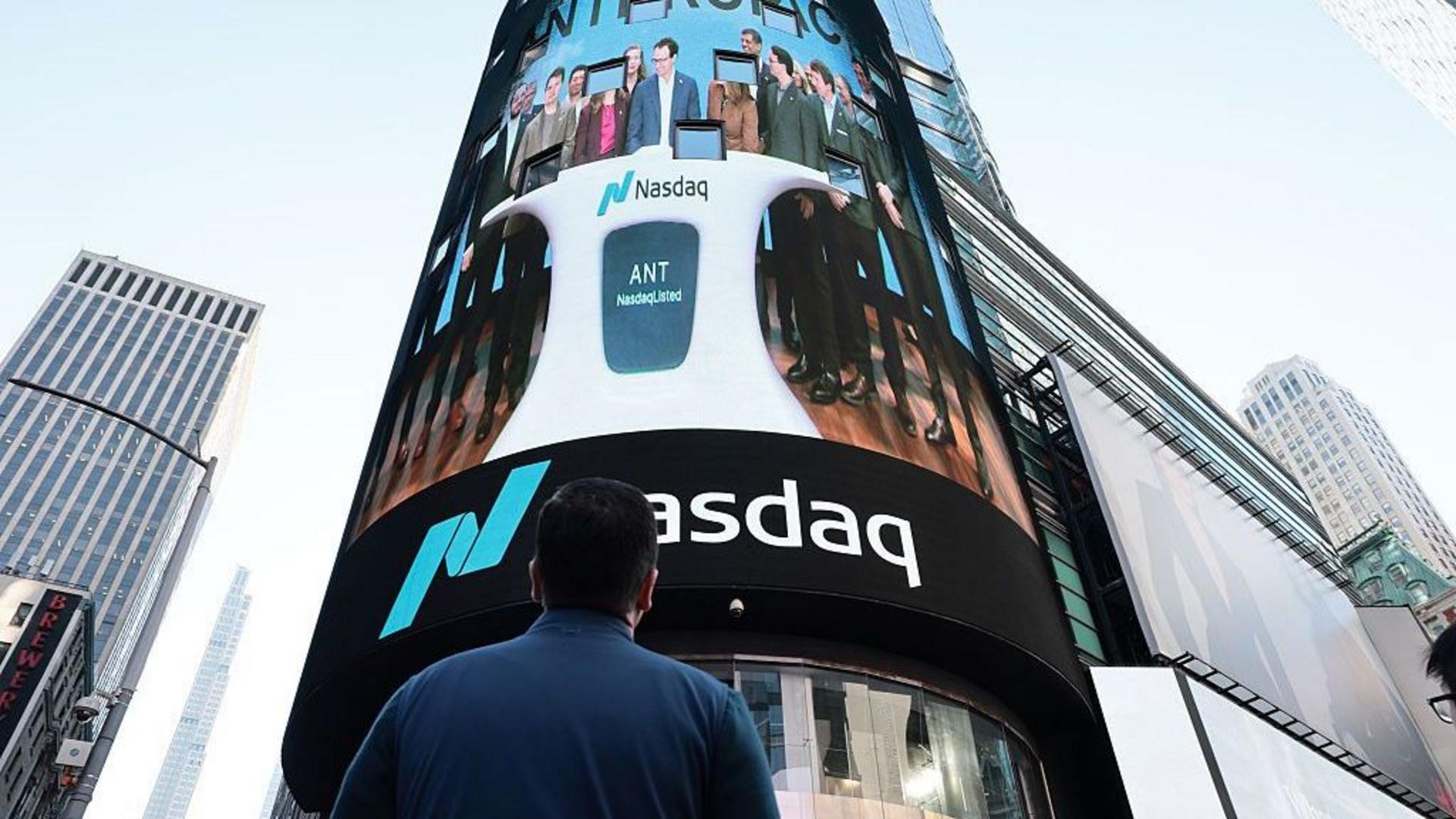
Anthropic's debut on the Nasdaq this week presented a critical moment for the artificial intelligence industry—a test of whether markets still believe in the transformative promise of frontier AI firms. The company's stock soared 17% on Thursday to close at $97.17 after trading opened at $111.50, suggesting strong appetite for AI exposure. By Friday, however, that enthusiasm had evaporated. Anthropic shares plummeted 8.5%, dropping at one point by more than 12% to about $85, perilously close to the initial public offering price of $83. This reversal reveals a deeper truth: Anthropic's blockbuster IPO has not restored confidence in the broader AI market, as Ed Moya from AlphaSense noted to the BBC.
The sell-off exposed the central vulnerability of the AI boom. Over the past year alone, a small handful of major tech companies has spent more than $1 trillion on artificial intelligence development. That staggering figure has sparked legitimate concerns about financial bubbles and whether these investments will ever generate returns. The Democrats' resounding victory in the US midterms in early November only intensified investor anxiety, sparking fears of a reduction in AI development. As Moya explained, the core question now haunting Wall Street is not whether AI demand exists—it remains very strong—but how much investors are willing to pay for growth that may not materialize for years, if ever.
The market's shift in expectations is unmistakable and unforgiving. Wall Street is transitioning from rewarding growth at any price to demanding stronger cash flow and a clearer path to profitability, Moya told the BBC. This transition has devastated tech stocks across the board. On Friday alone, the S&P 500 closed down 3.7%, the Dow Jones Industrial Average fell 1.9%, and the Nasdaq Composite Index plunged 5.3%. Both the S&P 500 and Dow Jones have now entered correction territory, trading at 10% or more below recent highs. Nvidia shares plummeted 13.7% following Reuters reports of a Securities and Exchange Commission investigation into the company's accounting practices. Tesla and SpaceX both fell more than 7.6%, while Meta dropped more than 5% and Amazon fell more than 4%.
The contagion has spread globally, exposing how intertwined markets have become with tech exposure. Germany's Dax index closed down 2.6%, France's CAC 40 was down 1.9%, and the UK's FTSE 100 ended 1% lower. Asian markets bore the brunt: South Korea's Kospi and Japan's Nikkei 225 both closed down about 5%, while Taiwan's stock market dropped approximately 6%, marking its biggest weekly fall since 1990. These declines signal that investors worldwide are demanding accountability from AI companies and their backers.
Anthropic's stumble should serve as a wake-up call. The company's first-day volatility was predictable—analysts noted that as the first frontier AI firm to go public, it had no direct peers for comparison. But the subsequent collapse suggests the market is finally asking hard questions about AI's true value. Until major AI companies can demonstrate that their trillion-dollar investments translate into sustainable profits and clear business models, expect this skepticism to intensify. The age of funding artificial intelligence ventures on faith alone has ended.