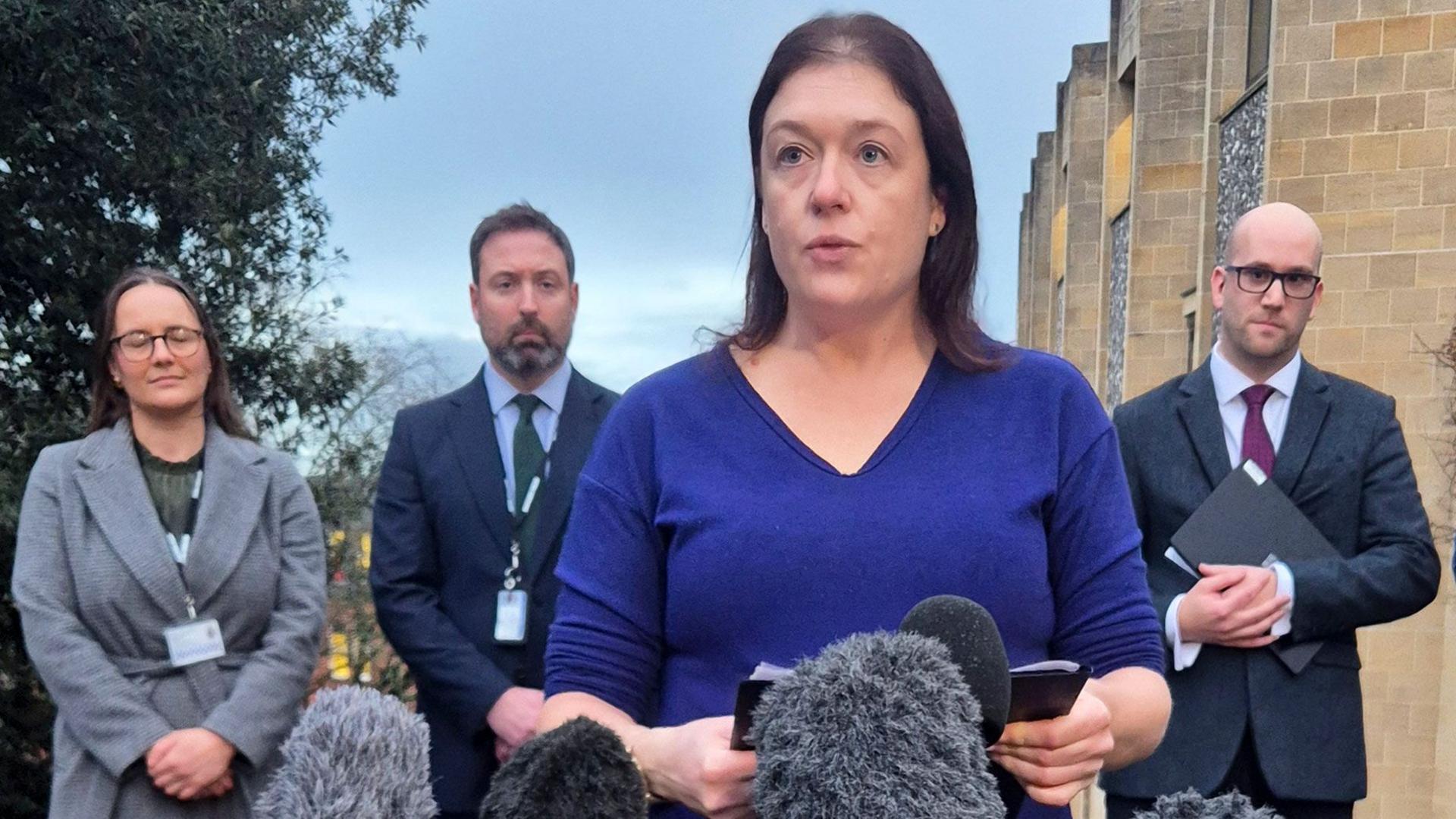
Outside Winchester Court, Joanne Young did something remarkable: she looked directly at other survivors of sexual violence and told them they would be believed. After her husband Philip Young, 50, was found guilty of drugging and raping her over a 13-year period at their home in Swindon, Wiltshire, she waived her anonymity to send a message that resonates far beyond this courtroom. In a legal first for the UK, four men—Norman Macksoni, 48, Richard Wilkins, 62, Connor Sanderson-Doyle, 32, and Mohammed Hassan, 38—were convicted of sexually abusing her after her husband had secretly advertised her for sex on the internet. The verdict itself is significant, but Young's statement matters more.
What makes Young's words so powerful is their simplicity and directness. 'You can be believed and understood,' she said, and 'if people recognised their own experience' in her trial, 'you're not alone and there are people who will believe you.' These are not hollow reassurances. They come from someone who endured 13 years of systematic abuse by the person who should have protected her. They come from someone who reported her abuse and saw the justice system work. For countless survivors who remain silent, afraid they will not be believed or understood, Young's statement is an antidote to isolation and despair.
The criminal justice system often fails victims of sexual violence. Cases collapse because survivors feel too ashamed to testify. Juries sometimes disbelieve women whose accounts don't match some imagined template of perfect victimhood. And abusers, particularly those with power over their victims like spouses, often escape accountability entirely. That Philip Young pleaded guilty to multiple charges and that Wilkins and Macksoni were each found guilty of rape shows what can happen when victims are taken seriously and given support to come forward.
Yet one successful trial, however historic, cannot mask the broader crisis in how society treats victims of violence against women and girls. For every Joanne Young who sees justice, there are countless others who remain trapped in silence, unsure whether anyone will believe their account of abuse. Young's courageous decision to speak publicly, to encourage others to 'speak out against violence against women and girls,' is an indictment of a culture that has too often silenced survivors.
Moving forward, society must do more than celebrate individual acts of courage. We must create systems where victims can come forward without fear that they will be disbelieved or blamed. Young's statement—that 'you can be believed and understood'—should not be a rare and courageous exception. It should be a promise we make to every person who has experienced abuse, and a commitment we keep through action.