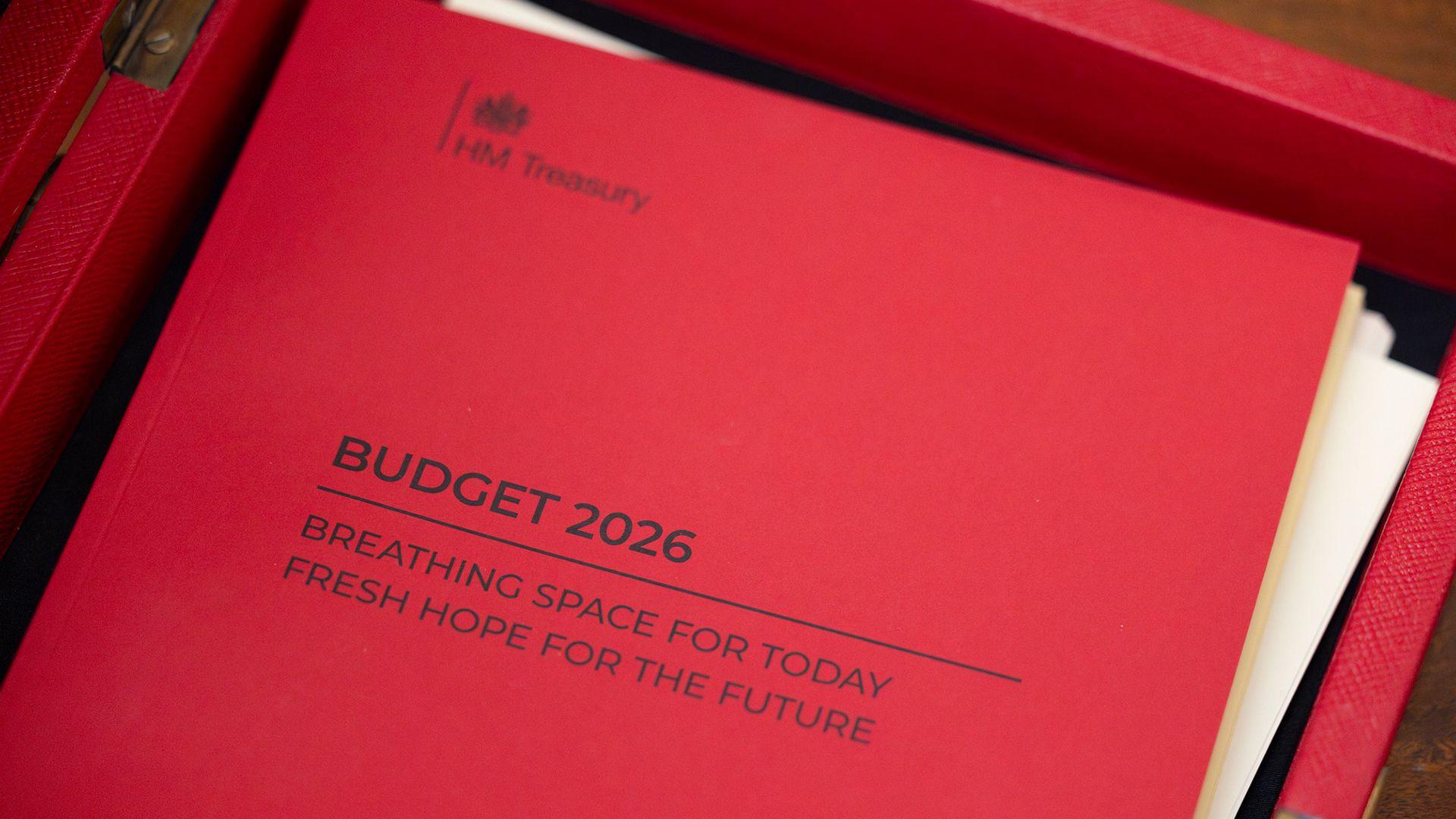
Chancellor John Healey's first Budget under Prime Minister Andy Burnham reveals a government intent on reshaping power in England—but at a concerning cost to national security. While the Budget offers genuine relief to struggling households through a £100 payment for up to 20 million households in council tax bands A-D and removal of standing charges from gas bills, the financing of a £15bn Defence Investment Plan through a 1% cut to capital budgets elsewhere signals misplaced priorities in an increasingly unstable world.
The devolution agenda is unmistakable. Regional bodies and mayors in England will receive £285m next year, with all business rates to be retained locally by the end of the decade and mayors keeping 20% of revenue from next year. A £1.5bn borrowing facility for larger projects and a share of income tax receipts from 2028 represent a genuine transfer of power from Westminster. This localism resonates in theory, but it comes as Britain faces global threats that cannot be addressed by town halls alone.
The Office for Budget Responsibility forecasts paint a troubling picture underlying these decisions. The UK economy will grow by 1.2% this year but slow to 1% next year—a significant downgrade from the previous 1.6% forecast. Inflation is predicted to average 3.1% this year and 3.4% in 2027, above the 2% target. Meanwhile, government borrowing is predicted to be higher than previously expected in every year of the forecast. These are not numbers suggesting Britain can afford to shortchange defense.
Domestic measures like the 3.9% rise in minimum wage from April and extension of parental pay to self-employed fathers show social awareness. The extra £432m for rough sleeping initiatives and £10bn in economic and military support for Ukraine demonstrate some commitment to broader challenges. Yet the capital budget cuts to fund defense spending suggest the government is squeezing itself on multiple fronts rather than making difficult choices about priorities.
If Andy Burnham's government genuinely believes in strengthening Britain's regions through greater mayoral power—and there is merit to that argument—it must not do so by hollowing out the defense capabilities that protect all of Britain. The 1% capital cuts across other departments signal an administration unwilling to make the case to voters that defense spending at 3% of GDP by 2030, as promised to NATO, requires genuine investment, not creative accounting. Regional devolution and national security need not be enemies, but this Budget treats them as zero-sum competitors.