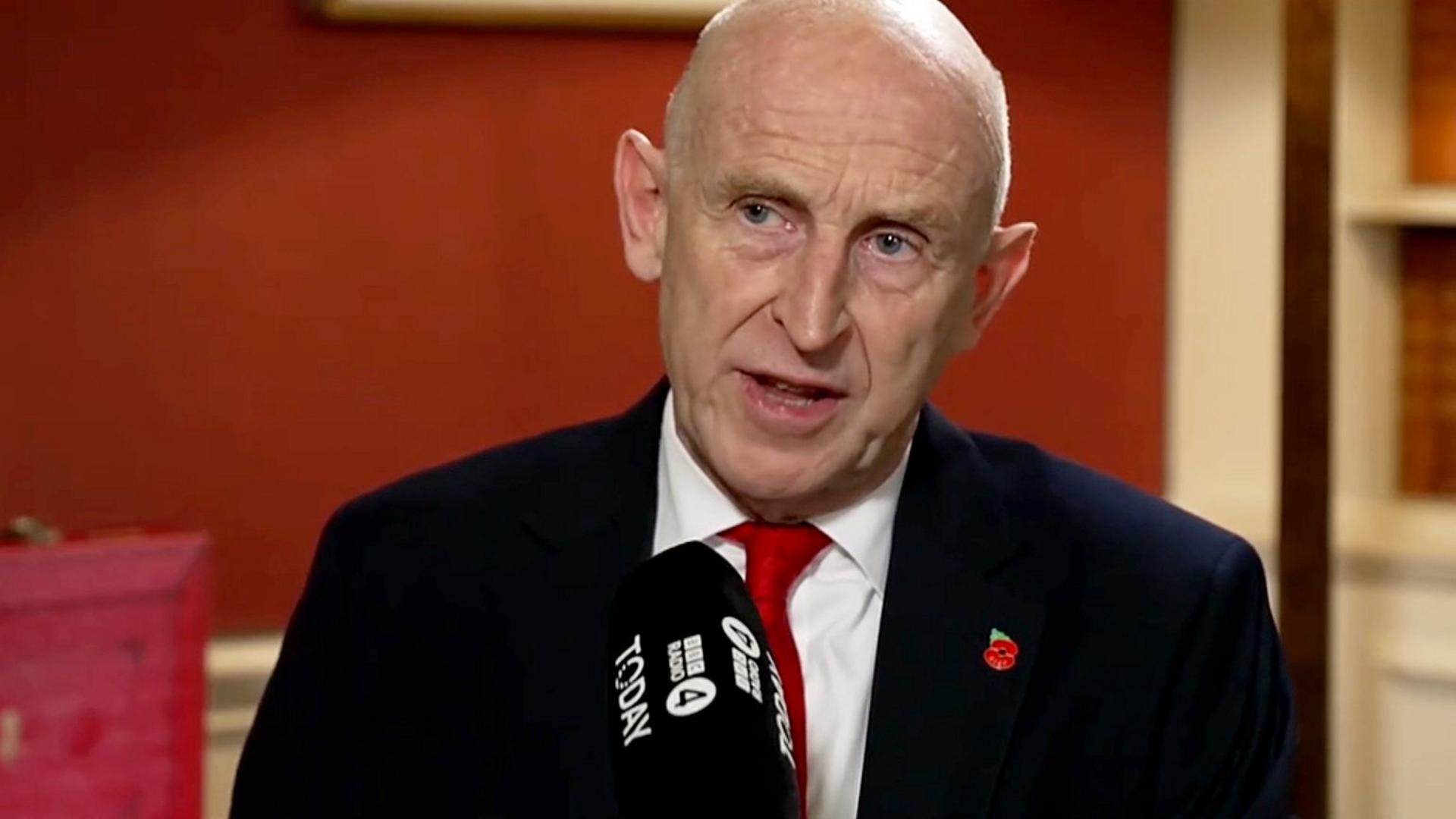
Chancellor John Healey told Radio 4's Today Programme that "there will be a reduction in the benefits bill," but Treasury sources disputed whether this commits the government to cuts before the next general election. One Treasury source suggested Healey was explicitly trying to avoid that impression.
Healey said the government would reduce the bill "in a Labour way" and that the current system was "unsustainable." He cited a moral duty to help almost one million young people not in work, education or training, and said young people would be expected to take up work or training offers as a way to reduce welfare costs long-term.
Two major reports on disability benefits and young people outside the workforce are due in November. The government is expected to respond by the end of the year and publish policy proposals, with legislation to follow next year.
Welfare spending is forecast to reach £431 billion by 2031/32, up from £353 billion this year, according to the Office for Budget Responsibility. Of that projected 2031/32 figure, £209.8 billion would go to pensions, £110.7 billion to universal credit and related payments, and £69.6 billion to disability benefits.
The Conservatives accused Labour of being "addicted to welfare," while the Liberal Democrats said reform "needs to be done right" through helping people into work and providing care support.