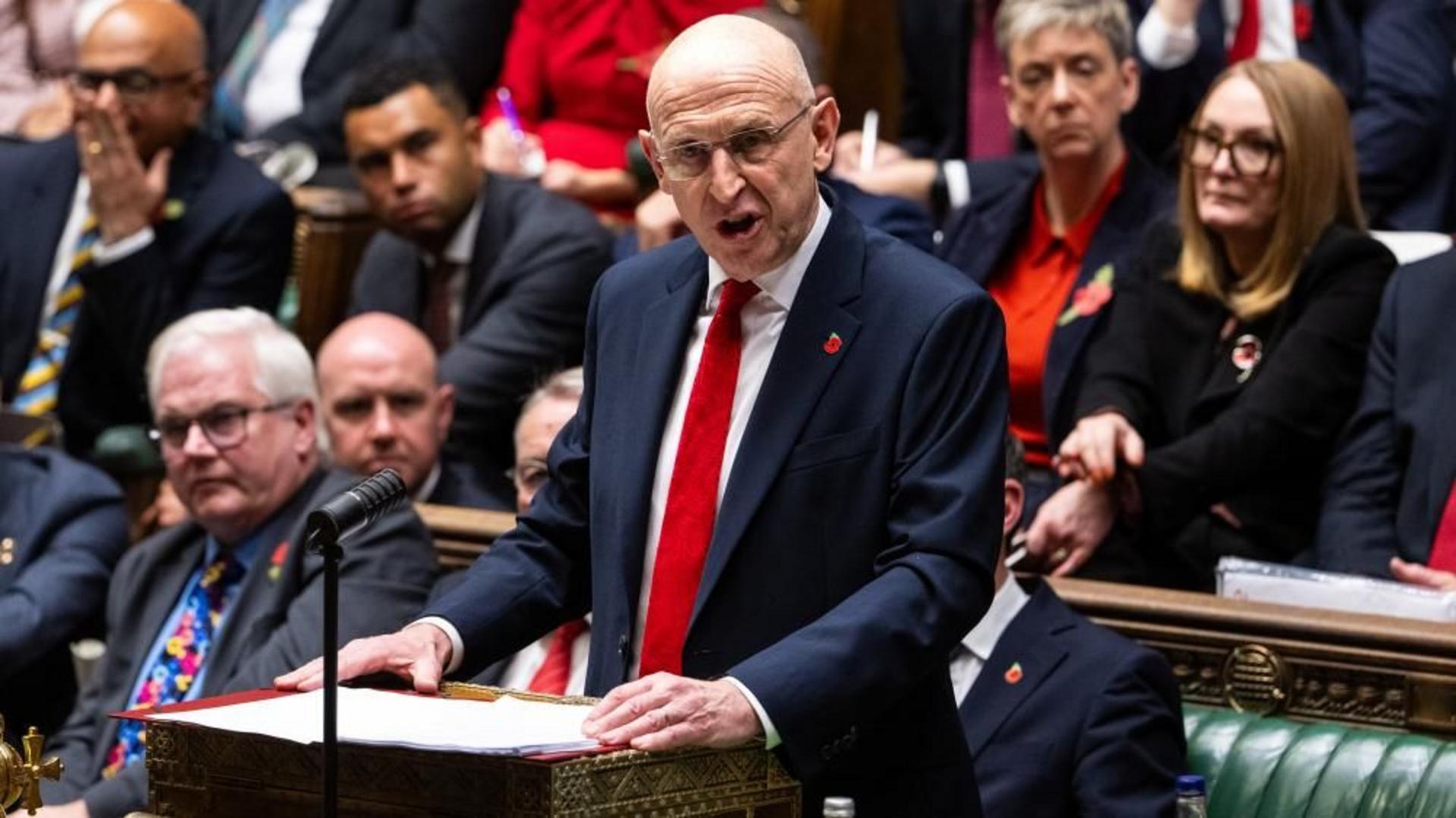
Chancellor John Healey announced in his first Budget that millions of households in council tax bands A to D will receive a one-off £100 payment to help with energy bills, funded by raising the bank profit tax from 3% to 6% between January next year and April 2028.
The minimum wage will increase by 3.9% in April. The government will scrap gas standing charges in England, Scotland and Wales during 2027 or as soon as possible after, shifting fixed daily fees onto per-unit energy costs. The temporary 5p fuel duty cut on petrol and diesel will extend to July.
Healey increased the business rates threshold for High Street shops in England from £12,000 to £18,000, excluding vape shops and adult gaming centres. The tax on savings and rental income will rise to 24% for basic rate taxpayers from April 2027. A planned cut to the cash ISA allowance will be reversed, keeping it at £20,000 annually instead of reducing it to £12,000.
Income tax thresholds remain frozen. The Office for Budget Responsibility downgraded next year's growth forecast to 1%, with its boss David Miles calling the longer-term outlook "pretty grim" as British households face little improvement even a decade after Covid-19.
Healey said major decisions on defence spending and welfare will not be made until next year, pending reviews into young people out of work and Personal Independence Payments.
Conservative leader Kemi Badenoch called the measures "not bold enough" and said the government was "overspent, overborrowed, overtaxed". Institute for Fiscal Studies director Helen Miller said the Budget "has a raft of fiddly measures but very little that will move the dial on growth".