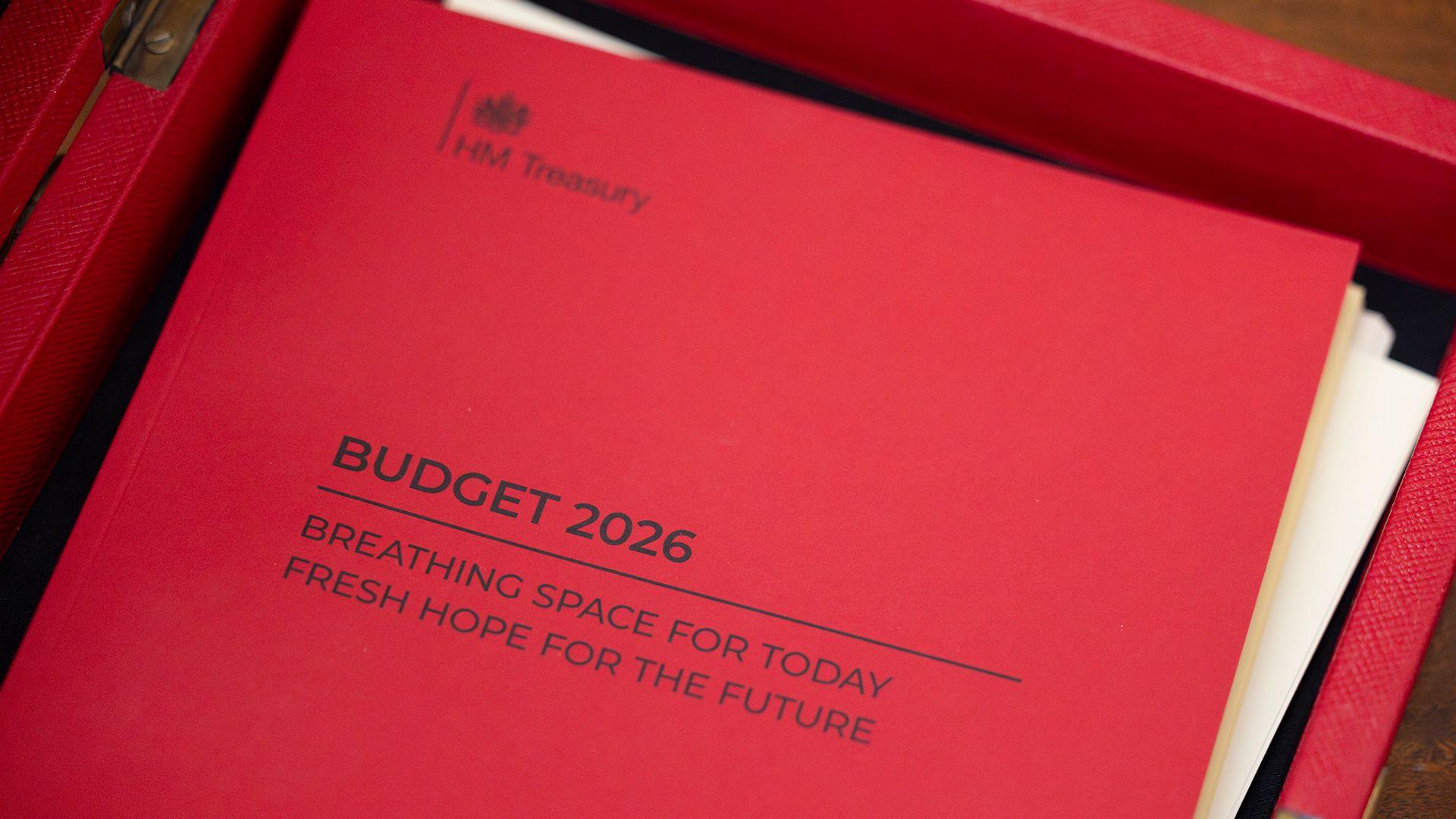
Chancellor John Healey unveiled his first Budget, which includes hundreds of pounds in direct support for households and sweeping changes to business taxes and regional spending powers.
The government will provide a one-off £100 payment to up to 20 million households in council tax bands A-D in England, with equivalent funding for Scotland, Wales and Northern Ireland. Standing charges on household gas bills will be removed in England, Scotland and Wales, with costs moved to the unit rate instead. The VAT cut on electricity bills extends to July, and a green levy on energy bills shifts to general taxation.
Fuel duty freezes through July. Import taxes drop on more than 100 food products, kerosene and fertilisers. The tax-free mileage allowance for work driving rises to 55p per mile for up to 10,000 miles, then 35p per mile above that distance, with existing lower rates made permanent.
Landlords face an additional 2% income tax on rental profits from April 2027. Banks pay a surcharge on profits rising from 3% to 6% for 15 months starting in January. High Street shops in England pay no business rates on properties with a rateable value below £18,000, up from £12,000. Online marketplaces including Amazon, eBay and Temu become responsible for collecting VAT owed by sellers on their platforms.
The adult state pension rises by £488 a year from April, or 3.9%, under the triple lock policy. The legal minimum wage rises by 3.9% in April. Unpaid carers lose Carer's Allowance only gradually rather than entirely if they earn above £204 per week after tax. Parental pay extends to self-employed fathers and same-sex couples.
A new scheme offers government-backed loans for first-time buyers in England earning under £110,000, or £140,000 in London. Social and affordable housing funding increases by £1 billion in England. The government adds £432 million to rough sleeping programmes.
Regional bodies and mayors in England gain greater spending powers, receiving £285 million next year and a share of income tax receipts from 2028. Defence spending rises by 2030, funded by a 1% cut to capital budgets across other departments. The UK commits an extra £10 billion of economic and military support for Ukraine.
The Office for Budget Responsibility predicts UK economic growth of 1.2% this year, down to 1% next year, then rising to 1.6% in 2028. Inflation is forecast to average 3.1% this year and 3.4% in 2027 before returning to the 2% target in 2028.