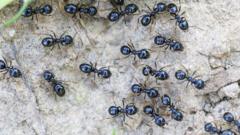
A Michelin-starred chef in South Korea faces potential jail time after authorities discovered the restaurant used approximately 49,000 ants as garnish and ingredient across multiple dishes over a four-year period.
The chef sourced the ants without proper food safety authorization, violating South Korean health regulations that prohibit insects not specifically approved for human consumption. Inspectors found the practice widespread throughout the kitchen's dessert program and other menu items, suggesting a systematic approach rather than isolated experimentation.
The case highlights the collision between culinary innovation and food safety law. Insect-based cuisine has gained traction in fine dining globally, with chefs exploring crickets, grasshoppers, and other arthropods as sustainable protein sources. The European Union and some other jurisdictions have established regulated pathways for novel foods, including insects. South Korea's regulatory framework, however, maintains stricter approval processes for any non-traditional food sources.
The restaurant's Michelin status amplifies the story. The guide's inspectors focus on culinary technique and flavor, not regulatory compliance. A Michelin star does not guarantee adherence to local food safety laws, and this case underscores that gap between prestige rating and legal operation.
Prosecutors are pursuing charges that could result in imprisonment, though exact sentencing guidelines depend on South Korean food safety statutes and prosecutorial discretion. The chef's defense likely hinges on either arguing the ants posed no health risk or claiming insufficient knowledge of the prohibition, though documentation of sourcing over four years complicates that argument.
The incident will shape how regulatory bodies worldwide view insect cuisine going forward. Chefs experimenting with alternative proteins now face clearer warning that innovation requires prior approval, not retroactive forgiveness.