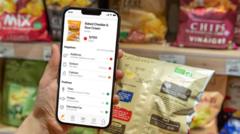
Food tracking apps flood the wellness market, promising users granular control over their diets through logging calories, macronutrients, and ingredients. Apps like MyFitnessPal, Cronometer, and Lose It attract millions of downloaders annually, capitalizing on the calorie-counting trend that dominates fitness culture.
The premise sounds logical. Monitor what you eat, identify problem areas, adjust behavior. But research complicates this narrative. Studies show tracking can trigger obsessive eating patterns, anxiety around food choices, and disordered eating behaviors in vulnerable populations. For some users, the app becomes a tool for restriction rather than balance.
Psychologists note that food logging requires sustained motivation most people abandon within weeks. The friction of manual entry, combined with the temptation to underreport indulgent foods, undermines the data's accuracy. Users often log selectively, creating a false sense of control that doesn't reflect actual consumption.
The apps themselves profit from engagement metrics, not user health outcomes. They monetize premium features, sell anonymized data to food companies, and normalize constant dietary surveillance. The business model incentivizes habit formation over genuine wellness.
Registered dietitians offer nuance. Tracking works best as a short-term diagnostic tool for specific populations, not a lifestyle permanent feature. People with diabetes or serious health conditions benefit from precise logging. General wellness seekers often do better developing intuitive eating skills and building sustainable habits without technological mediation.
The app economy wants you believing your health lives in data points. The reality proves messier. Food tracking serves a purpose for some. For others, it breeds anxiety and reinforces unhealthy relationships with eating. Context matters. Your goals matter. Your psychology matters more than your MyFitnessPal streak.