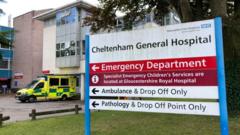
Resident doctors in the UK have suspended strike action after the government tabled a revised pay offer, ensuring A&E departments and hospital services remain operational. The British Medical Association had called strikes across emergency care and other critical services, but negotiations over compensation have prompted a temporary halt.
The new proposal addresses longstanding grievances over junior doctor wages, which have eroded significantly in real terms over the past decade. Resident physicians had secured a 22% pay rise following strikes in 2023, but the group argues further adjustment remains necessary given inflation and staffing shortages across the NHS.
Hospital A&E units, which face chronic overcrowding and patient backlogs, will continue normal operations under this pause. The BMA will now ballot members on whether to accept the latest offer or resume action. Healthcare leaders have warned that prolonged strikes strain emergency capacity and patient outcomes, particularly during winter demand surges.
This moment reflects broader tensions within the UK's healthcare system. Junior doctors form the backbone of hospital operations, managing patient triage, diagnostics, and overnight care. Their compensation relative to peers in other developed nations remains lower, complicating NHS recruitment and retention.
The government frames the new offer as recognizing economic constraints while addressing workforce concerns. BMA representatives have signaled openness but stressed that any settlement must ensure sustainable career progression and fair compensation adjusted for years of frozen wages.
The outcome of member ballots will determine whether this pause becomes permanent resolution or a prelude to renewed industrial action. A&E departments and other services now have breathing room to stabilize rosters and reduce patient wait times during this window.