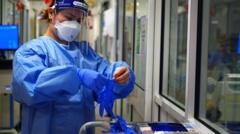
Britain's Covid inquiry has detailed catastrophic failures in the government's personal protective equipment procurement strategy, exposing how poor planning and rushed purchasing wasted billions in public funds.
The inquiry found that the Department of Health and Social Care failed to maintain adequate PPE stockpiles before the pandemic struck. Officials had no coherent purchasing strategy when demand exploded in early 2020, forcing emergency acquisitions at inflated prices. Suppliers exploited the chaos, and contracts went to firms with little or no track record in medical supply chains.
Investigators identified a pattern of panic buying that drove costs skyward. Gloves, gowns, masks, and respirators that should have cost far less commanded premium prices due to the government's desperation and lack of coordination. Some vendors charged rates triple or quadruple the normal market price, knowing the NHS faced an acute shortage.
The report highlights how government officials ignored pre-pandemic warnings about supply vulnerabilities. A 2016 exercise called Cygnus had specifically flagged PPE shortages as a critical risk. That warning went unheeded for four years.
Procurement decisions lacked basic due diligence. The inquiry found evidence of contracts awarded without proper vetting or competitive bidding. Some suppliers later failed to deliver promised quantities, leaving hospitals critically short while taxpayers footed massive bills.
The findings reveal a system caught flat-footed by the crisis, reactive rather than strategic. Government departments failed to communicate with each other, hospitals competed directly with the NHS for supplies, and prices spiraled unchecked. The inquiry estimates the wasted spending totaled in the billions of pounds across the pandemic response.
These failures have prompted calls for major reforms to how Britain stockpiles and procures critical medical supplies ahead of future health emergencies.