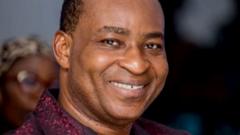
Bernard Antwi Boasiako, a prominent Ghanaian politician known as "Chairman Wontumi," received a 20-year prison sentence for illegal mining operations. The court also imposed a fine exceeding $10,000.
Boasiako's conviction marks a rare moment of accountability in Ghana's persistent battle against illegal mining, a practice that has devastated the country's water systems and farmland. Illegal mining, locally called "galamsey," strips riverbeds of gold while poisoning waterways with mercury and cyanide. The operation damages agricultural productivity across major farming regions and threatens public health.
The sentencing generated shock within Ghana's political circles. Boasiako held significant influence as a regional political figure, and his prosecution signals potential shifts in enforcement against well-connected actors involved in the trade. Ghanaian officials have struggled for years to curb illegal mining despite its documented environmental toll and the lost tax revenue it represents.
International observers have noted that prosecutions typically target small-scale operators rather than politically connected figures. This case breaks that pattern. The severity of the sentence reflects growing pressure on Ghana's judiciary and executive branch to demonstrate resolve against the practice, particularly as environmental groups and civil society organizations have escalated campaigns against galamsey operators.
Ghana's government declared a state of emergency on illegal mining in 2017, but enforcement remained inconsistent. Boasiako's conviction suggests possible momentum in holding powerful players accountable. The outcome carries weight for public confidence in Ghana's institutions and could influence how aggressively authorities pursue other well-positioned mining suspects moving forward.