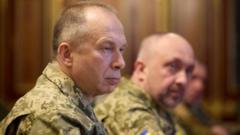
Ukraine's military leadership faces a mounting crisis as protesters escalate demands for the dismissal of army chief Oleksandr Syrskyi. The campaign centers on reinstating former defence minister Mykhailo Fedorov, with activists setting a Friday deadline for action.
The dispute reflects deeper tensions within Ukraine's military command structure amid ongoing conflict with Russia. Syrskyi, who has served as commander-in-chief of Ukraine's armed forces, has faced criticism from some quarters over military strategy and personnel decisions. Fedorov, who previously held the defence ministry role, has emerged as the preferred alternative in the eyes of protest organizers.
The timing carries weight for Kyiv. With the war grinding on and manpower concerns mounting, questions about military leadership directly affect combat effectiveness and public confidence in Ukraine's defense apparatus. Personnel instability at the highest levels risks operational disruption when the armed forces face relentless Russian pressure on multiple fronts.
The protest movement's Friday ultimatum creates a concrete pressure point. Success would require intervention from President Volodymyr Zelensky's administration, signaling either capitulation to street-level military demands or a broader shift in war-management thinking.
Fedorov's reinstatement would represent a significant recalibration of Kyiv's defense priorities. Whether protesters can leverage their mobilization into actual policy change remains uncertain. Military command transitions during active conflict carry substantial risk. Ukraine's leadership must balance internal pressure against operational continuity while Russia continues active military operations.
The escalation underscores how war-related stress fractures civilian-military relations and creates space for competing factions to challenge sitting commanders.