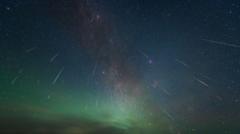
The Perseid meteor shower peaks this month, delivering one of the year's most active celestial displays. The shower runs across a five-week window, with the most intense activity occurring around mid-August through mid-September.
Observers in dark sky locations can expect to see dozens of meteors per hour during peak nights. The Perseids originate from debris left behind by Comet Swift-Tuttle as Earth passes through its orbital path. This particular shower ranks among the most reliable and prolific annual events for stargazers.
Best viewing occurs after midnight, when your location tilts toward the shower's radiant point in the Perseus constellation. Light pollution significantly impacts visibility, so rural areas away from city lights offer optimal conditions. No special equipment is required. Your eyes adjust best after 20 to 30 minutes in darkness.
The shower's extended five-week duration means multiple nights present strong viewing opportunities, even if clouds obscure the sky on peak dates. Weather forecasts should guide planning rather than missing the entire window.