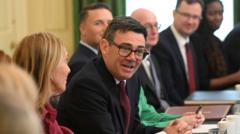
Keir Starmer opened his first cabinet meeting by ordering his team to prioritize the cost-of-living crisis gripping British households. The directive came after the government announced a cut to VAT on household electricity, a move designed to provide immediate relief to struggling families.
The VAT reduction represents an early policy win for Labour, lowering the tax burden on a necessity that has ballooned into a financial emergency for millions of Britons. Energy bills have become a defining political issue, with working families choosing between heating and eating. By attacking this directly, Starmer signals that his administration intends to move swiftly on bread-and-butter economics.
Cabinet members received marching orders to develop strategies across their departments. The emphasis reflects Labour's election promise to handle the energy crisis differently from the previous Conservative government, which faced criticism for insufficient action despite record inflation and household debt.
The timing matters. With inflation still elevated and real wages stagnant for large segments of the population, early executive action on utility costs builds momentum and demonstrates responsiveness. Other Western governments have deployed similar measures, from Spain to France, recognizing that energy affordability shapes public confidence in leadership.
The VAT cut alone won't solve the structural problems in energy markets or the broader squeeze on disposable income. But it provides breathing room for households while the government develops longer-term solutions. Whether cabinet departments can coordinate on housing, wages, childcare, and employment support remains unclear. Starmer's first meeting set expectations high.
This opening move positions Labour as action-oriented on the issue that dominated the final years of Conservative governance. The real test comes in implementation and whether additional measures follow.