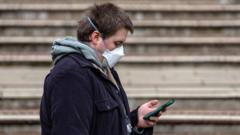
Meningitis spreads through respiratory droplets when infected or carrier individuals cough or sneeze. Some people harbor the bacteria in their nose or throat without developing symptoms, yet remain contagious to others around them. This asymptomatic carrier state complicates transmission prevention since infected people can unknowingly transmit the disease.
Early meningitis symptoms include fever, severe headache, stiff neck, sensitivity to light, and confusion or altered mental status. Infants may show different signs: fever, irritability, poor feeding, or a bulging fontanelle. A characteristic rash can appear in meningococcal meningitis cases, typically starting as small red or purple spots that don't blanch when pressed. The disease progresses rapidly. Symptoms can develop within hours, making immediate medical attention essential.
Meningitis spreads most easily in crowded environments like schools, college dormitories, and military barracks where close contact and shared respiratory air occur. Vaccination protects against several meningitis-causing organisms, including meningococcal bacteria and pneumococcal strains. Routine immunizations have reduced incidence rates significantly in developed nations.
High-risk groups include infants, adolescents, elderly people, and those with compromised immune systems. Close contacts of confirmed cases require prophylactic antibiotics and monitoring. The disease kills approximately 10 percent of infected individuals even with treatment, with survivors sometimes facing long-term complications including hearing loss, neurological damage, and limb amputation in severe cases.
Anyone experiencing meningitis symptoms needs emergency medical evaluation immediately. Early diagnosis and treatment with antibiotics, corticosteroids, or antivirals depending on the causative agent can reduce mortality and disability risk substantially.